

Tried-and-true lubricants, protectants, corrosion preventatives, and more.
By Mark Quasius, F333630
May 2018
It’s safe to say all RV owners want to protect their vehicles and ensure they operate smoothly. But with a variety of lubricants, penetrating oils, corrosion inhibitors, adhesives, and sealants on the market, which should you choose? Following is a review of some specialty products I have found to be quite useful and effective. I carry most of these in my tool kit when we travel in our RV.
WD-40
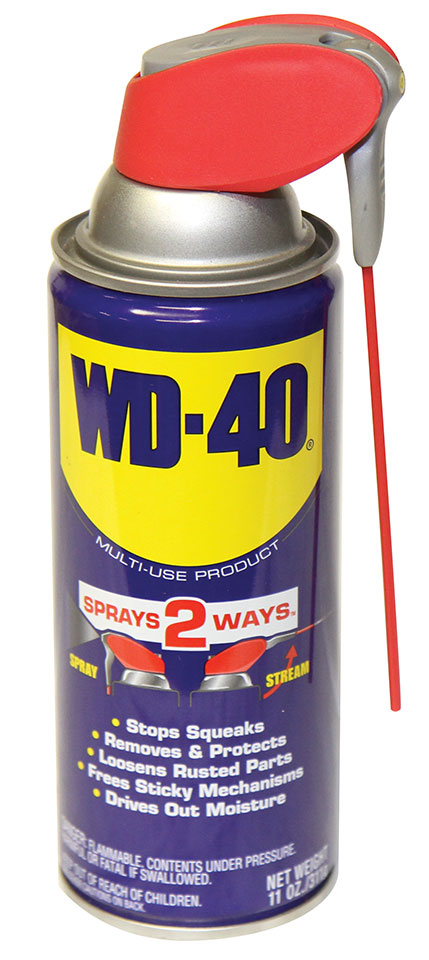 WD-40 was developed for the aerospace industry and was first used to protect the outer skin of the Atlas missile from rust and corrosion. WD stands for “water displacement”; the 40 represents the number of attempts until the formula was perfected. It first appeared on store shelves in 1958. Advertised as the “can with thousands of uses,” it’s in countless households.
While not a long-lasting lubricant, WD-40 does a good job of penetrating to remove rust and to free stuck parts. It can be used to drive out moisture that has caused a short circuit of an electrical component, such as a distributor cap or an electrical connector. I’ve found that it works great for removing self-adhesive labels and decals. If you’ve ever used a heat gun to remove a decal, you’ve undoubtedly been left with a sticky glue residue. The glue is not a petroleum product, so most cleaners will not remove it. WD-40 softens and removes the glue without damaging the painted finish. A quick squirt of Windex removes the WD-40, and everything is clean and dry.
JB-80
JB-80, produced by Justice Brothers, is another penetrating lubricant that displaces water. It is marketed as being “Twice As Good!” — a fairly obvious reference to its competitor.
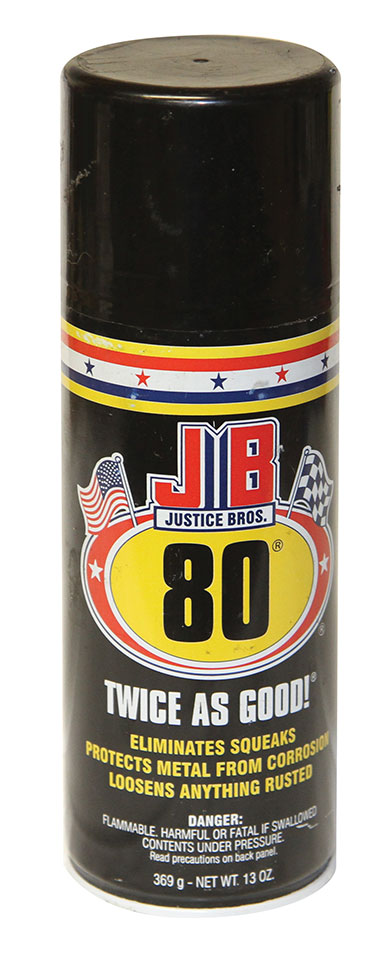
It does a great job of removing rust and loosening up stuck parts. Unlike most rust penetrants, which evaporate once rust is gone, this one leaves a protective barrier. It contains no silicone, penetrates through grease, and eliminates squeaks. On one of our RVs, I couldn’t stop the squeaking of a bathroom door on a long piano hinge, no matter what I tried. Then I was introduced to JB-80, and after a quick spray of the product, the door worked smoothly and squeak-free for many years.
Deoxit
A common issue in RVs is corrosion of electrical connections. These include interior connectors, such as to the refrigerator or interior lighting, as well as connectors exposed to the elements, such as the trailer light umbilical cord, furnace connections, or the generator’s 12-volt control wiring harness. The connectors have metal tabs or pins so that the component easily can be connected to or removed from the wiring harness.
Most connectors are not completely sealed and eventually oxidize from exposure to air and moisture. An extreme example is battery cables, but a light chloride film also can form on smaller connectors. The film, plus residue from grease and dirt, increases resistance and prevents the flow of electricity to the component, resulting in poor performance or even a totally failed connection.
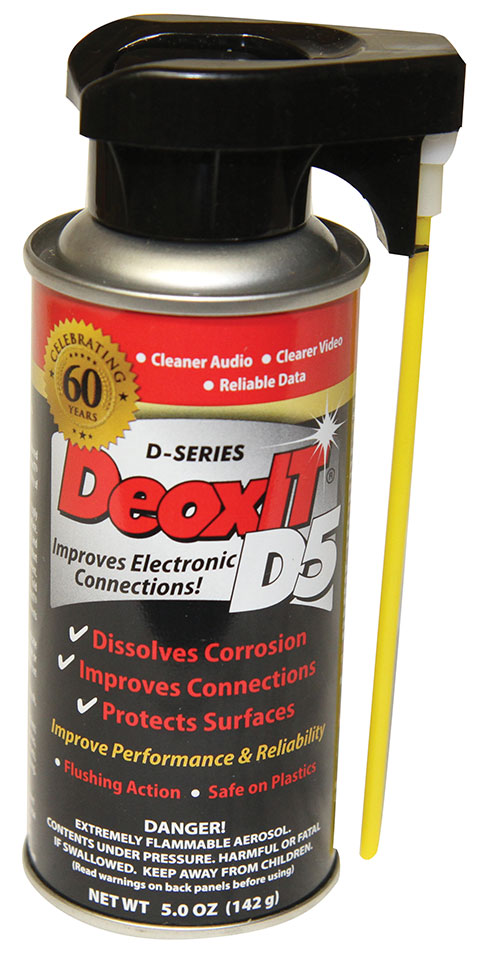 Various contact cleaners are available to help remove the corrosion, but they don’t prevent it from returning. Gary Bunzer, the “RV Doctor,” recommended DeoxIT by Caig Laboratories, so I bought a bottle. DeoxIT’s general purpose D-series is very effective at cleaning oxide blisters that form on electrical contacts. It also displaces moisture and adds a protective coating that prevents oxides from reattaching. Simply plugging in and unplugging the connector a few times ensures that a clean and stable connection is established.
DeoxIT is available in various forms, such as wipes, pens, liquid, or spray cans. My favorite is the 5-ounce spray can with the flip-up nozzle. DeoxIT protects the trailer lighting umbilical between our motorhome and Jeep, and it also eliminates noise and crackle on my electric guitar cords. It’s a great product for any metal electrical connection. It’s safe to use on plastic.
Boeshield T-9
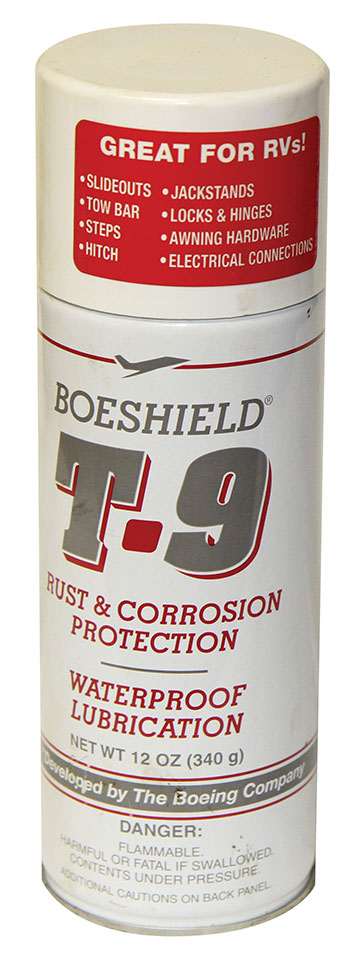
Boeshield T-9 was developed by Boeing Company 40 years ago to create a reliable metal protectant and lubricant that would withstand long exposure to a corrosive environment. In 1982, PMS Products Inc. was incorporated as the sole supplier of Boeshield T-9, and it became available to the general public.
Boeshield T-9 cleans, lubricates, and protects. It attacks corrosion, loosens rusty parts, and flushes out old lubricants. This lubricant leaves a dry, waterproof film that won’t wash off in rain or mud. It will not harm plastic, rubber, fiberglass, or vinyl and is safe to use on electronics. It’s available in liquid form or in a spray can. Boeshield T-9 is an excellent choice for awning hardware, slideouts, tow bars, hitches, or any kind of linkage. I’ve found it to be a great cleaner/lubricant for folding and slideout steps, which tend to collect water and dirt and seize up fairly quickly. After a good cleaning and a shot of Boeshield T-9, they are as good as new.
Fluid Film
If winter RV travel has taken you to places where roads have been salted to prevent icing, or if you have ever parked close to the ocean for a period of time, you know how salt can damage your vehicle. Fluid Film prevents corrosion from salt or other corrosive materials.
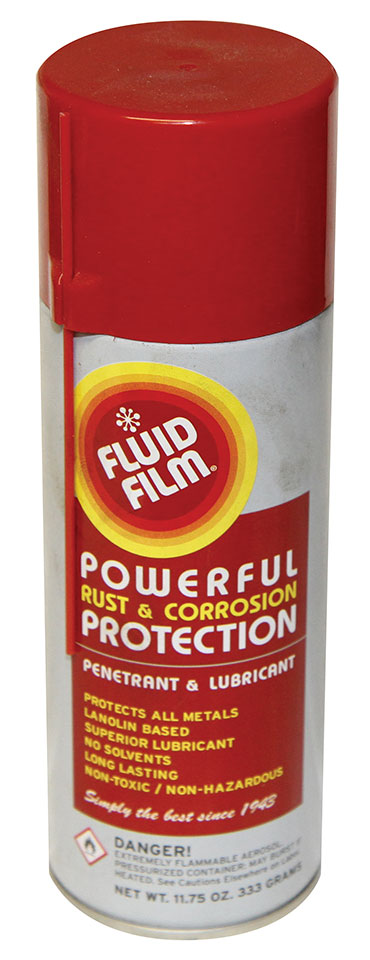 Generally, it is applied with a spray can, although larger capacities are available. Most protectants harden, but Fluid Film remains soft and flexible. Its wool-wax-based formula adheres to surfaces with tenacity. It also is self-healing, so scratches won’t damage the coating, yet it easily can be removed if desired. Thanks to the product’s high flash point of 405 degrees Fahrenheit (compared to 125 degrees for most solvent-based products), Fluid Film won’t bake off when applied to hot engine components. Except for the propellant in aerosol cans, Fluid Film is 100 percent corrosion control material (compared to the 10 percent to 30 percent found in solvent-based products).
I’ve sprayed Fluid Film under my motorhome around the engine and transmission. Aluminum castings, steel bolts, and hose fittings are magnets for salt damage when traveling in winter. By applying Fluid Film before a trip, my RV was protected from road salt damage, and a pressure washer easily removed Fluid Film when it was no longer needed. I’ve found Fluid Film to be the best at protecting steel or aluminum from salt damage for a few months without requiring reapplication.
Tef-Gel
Corrosion occurs when dissimilar metals are in contact with each other in the presence of an electrolyte, such as salt water. For example, aluminum wheels are mounted on steel hubs. If after a few years you need to change a tire, corrosion may make it so difficult to remove the wheel rim from the RV that a sledgehammer is needed. Ideally, a nonconductive barrier should be placed between the metals to prevent electrolysis, but that isn’t always possible, such as when threading a steel bolt into an aluminum engine component.
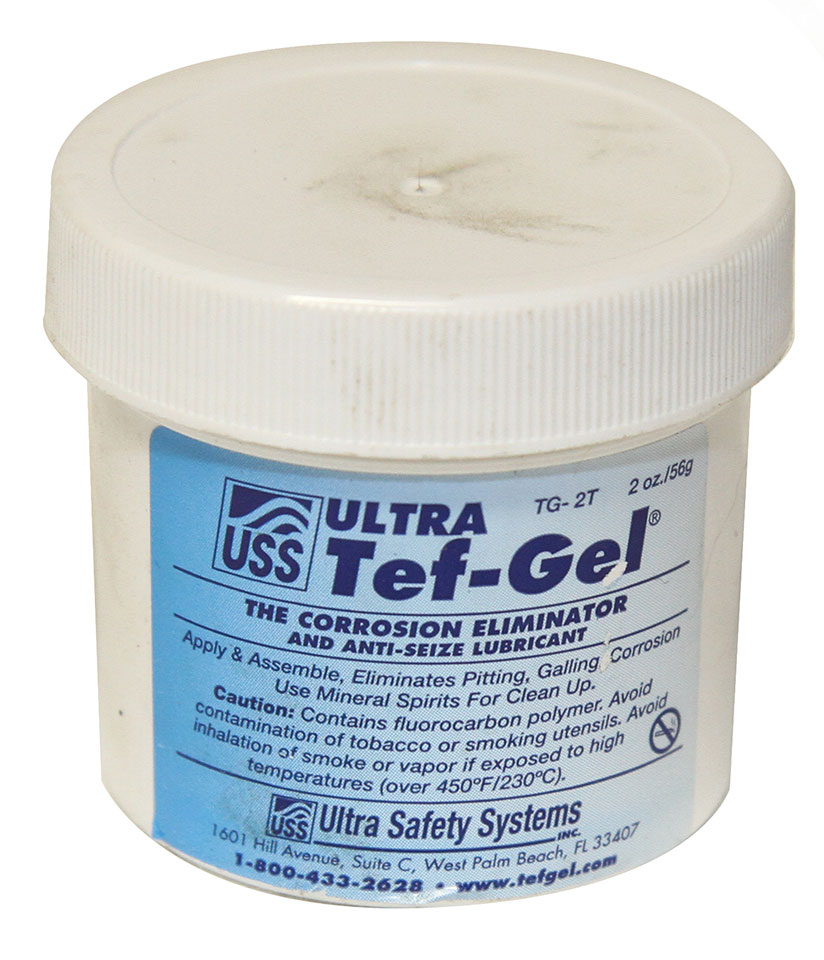 Tef-Gel is formulated to prevent dissimilar metal corrosion. The creamy gel contains 40 percent polytetrafluoroethylene (PTFE) fine powder, which extrudes out of the contact area and into the void of the surrounding area. Excess Tef-Gel easily cleans up with mineral spirits or WD-40.
Tef-Gel does not electrically insulate hardware, so it can be placed in electrical connectors without increasing the resistance of the connectors. Tef-Gel also can be used on bolt threads to ensure that the threads won’t gall and tear out when removed; however, the torque specs should be re-evaluated to allow for the lower friction caused by the Tef-Gel. The product also eliminates friction galling with stainless steel, nickel, and other alloys. Applying Tef-Gel to wheel hubs makes them easy to remove later, and it also eliminates the pitting where steel lug nuts contact the aluminum wheel rim.
3M VHB Tape
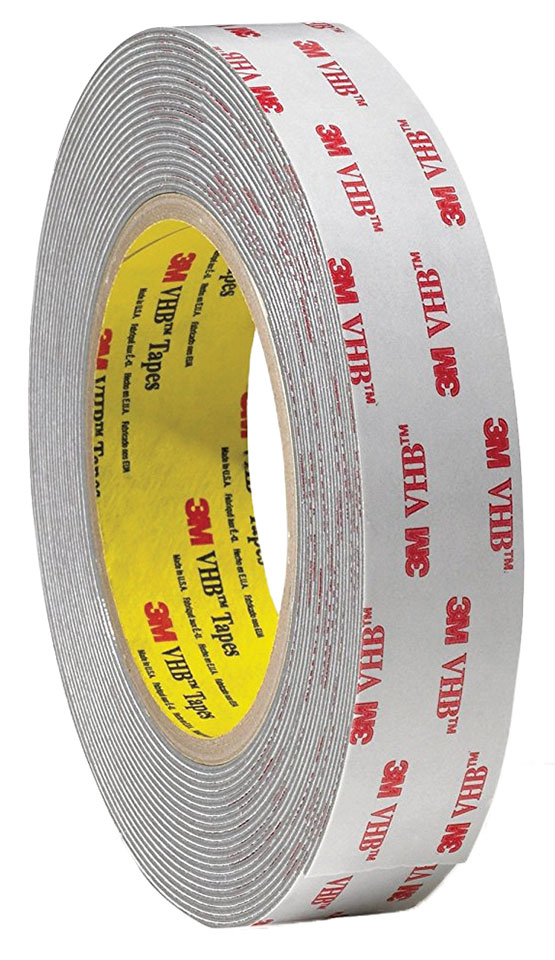
3M’s VHB tape has numerous uses, including RV applications. VHB stands for Very High Bond, so this isn’t your basic two-sided tape. VHB tape is used when superior holding power and resistance to the elements are required. Automotive manufacturers use VHB tape to bond trim moldings to vehicles.
VHB is a double-sided acrylic foam tape and is available in various colors, widths, and thicknesses. VHB tape’s bonding strength actually improves over time. The tape sticks to aluminum, steel, glass, plastics, and painted or powder-coated surfaces. In many cases, it can eliminate the use of screws, rivets, or other unsightly fasteners, and it provides a watertight seal that stands up to extreme heat, cold, and UV light. It also acts as a gasket to dampen vibrations and noises that could be transmitted between two substrates. Some versions are moldable and can be used like putty to fill a gap or hole.
Eternabond
EternaBond tape, which is quite popular in the RV industry, incorporates the company’s trademarked MicroSealant technology. This is probably the stickiest tape you’ll ever find. You will have a tough time removing it, so it’s important to do the job right the first time. EternaBond tape can be applied over a seam or crack to stop any leak.
Some RV owners turn to EternaBond after growing tired of the frequent inspections and maintenance that caulked roof seams require. EternaBond sticks to all RV surfaces, including fiberglass, TPO, rubber, and aluminum, as well as polyethylene and ABS water tanks and awnings.
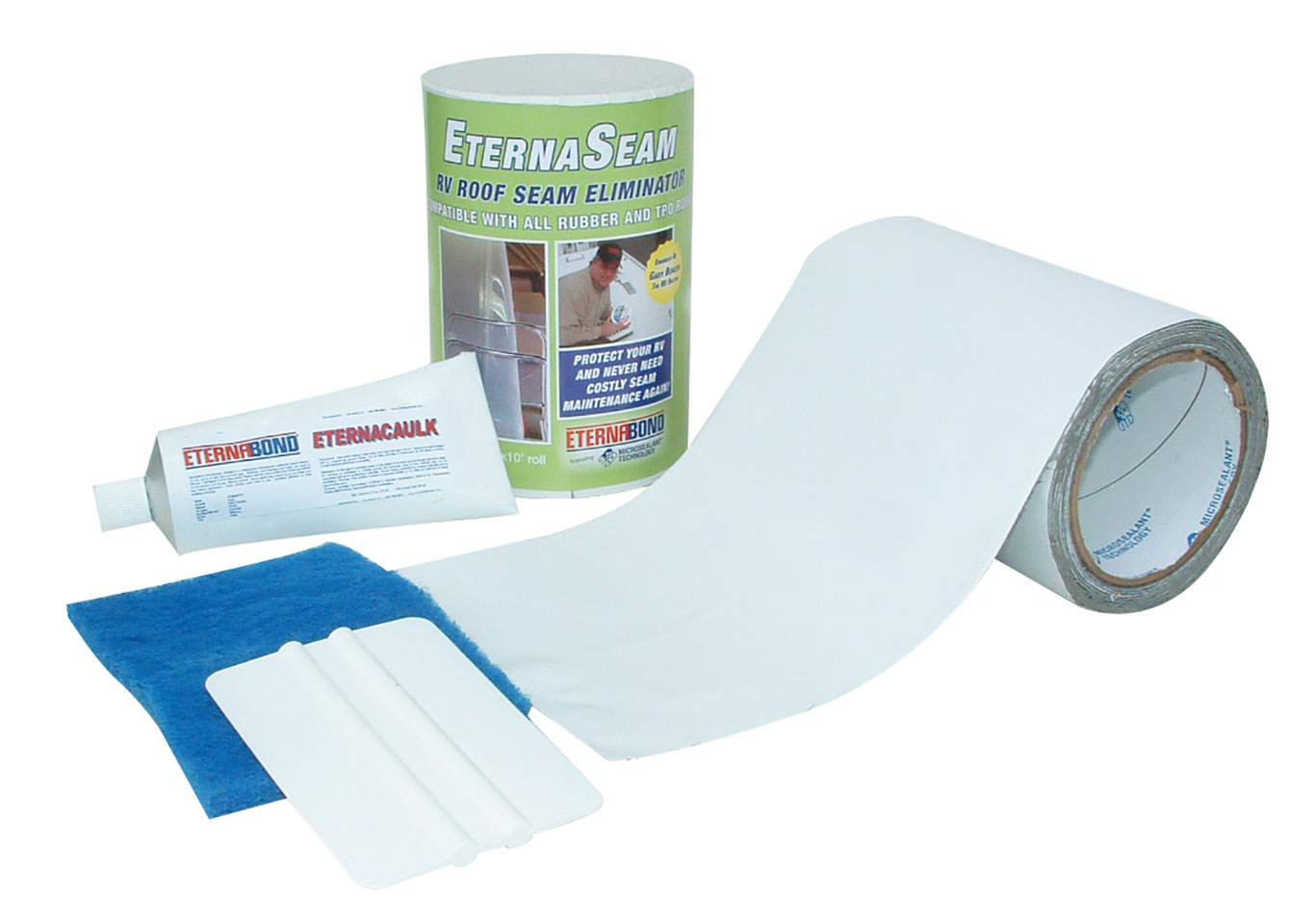 EternaBond can be a lifesaver for emergency repairs. It holds up well in a wide range of temperatures, from minus 70 degrees to 200 degrees Fahrenheit. It’s resistant to mold, fungus, and bacteria growth, and is UV stable so it won’t dry out from exposure to the sun.
EternaBond is available in various widths and lengths, including roof kits. The most popular sizes are the 2-inch-wide and 4-inch-wide repair rolls, but 50-foot-long rolls are available in widths up to 48 inches to cover slideouts or other large areas. Once EternaBond tape is installed, you can forget about it.
Lock-Ease
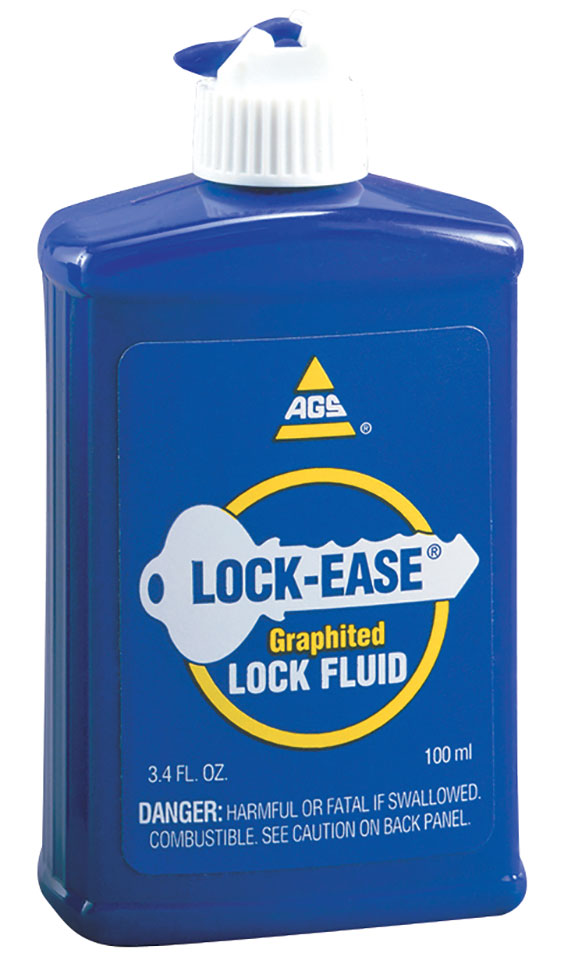
Lock cylinders require lubrication to ensure smooth operation. Lock-Ease, from AGS, is a graphited fluid that protects against sticking, rust, and freezing. It seals out moisture so that the locks can be used year-round. A penetrating fluid carries the graphite deep into the lock cylinder. After a short while, the fluid evaporates, leaving a long-wearing graphite film that is superior to a dry graphite product. The film will not run, even in hot temperatures, nor will it harden in subzero temperatures.
I’ve been using this product in my vehicles’ locks for years. It holds up well to salt spray. AGS also makes Door-Ease, a wax-like product that coats a door latch cam and striker for a smooth latching action. It’s weatherproof and won’t stain like grease or oil.
NCP2
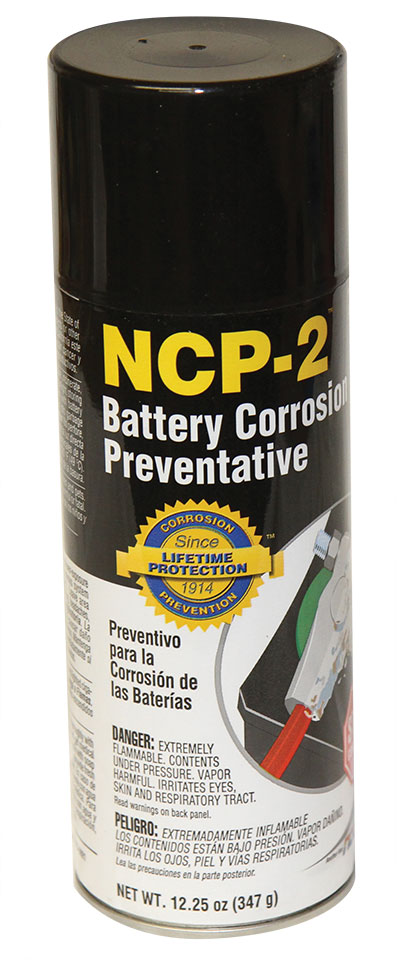
You know it’s time to clean battery cable connections when they become coated with crusty, power-robbing, blue deposits. But then the corrosion process starts all over again. NCP2 is a corrosion preventative that is applied to battery terminals and cables. This oil-based, viscous compound never dries out or evaporates, and it creates an impenetrable seal around battery terminals and ground cable connections. NCP2 should be sprayed onto the battery cable ends after the connections have been thoroughly cleaned.
NCP2 also is available in felt washers that contain the corrosion-preventive compound. The washers slide over battery top posts, although they aren’t as effective as the NCP2 spray can, which can coat the entire connection.
More Info
3M (VHB Tape)
(888) 364-3577
www.3m.com
AGS Company (Lock-Ease)
(800) 253-0403
www.agscompany.com
Caig Laboratories Inc. (DeoxIT)
(800) 224-4123
www.caig.com
Eureka Chemical Company (Fluid Film)
(888) 387-3522
www.fluid-film.com
Justice Brothers Inc. (JB-80)
(626) 359-9174
www.justicebrothers.com
NOCO Company (NCP2)
(216) 464-8131
www.no.co
PMS Products Inc. (Boeshield T-9)
(800) 962-1732
www.boeshield.com
Royal Adhesives & Sealants (EternaBond)
(800) 248-4010
www.eternabond.com
Ultra Safety Systems Inc. (Tef-Gel)
(800) 433-2628
www.tefgel.com
WD-40 Company Inc.
(888) 324-7596
www.wd40.com