
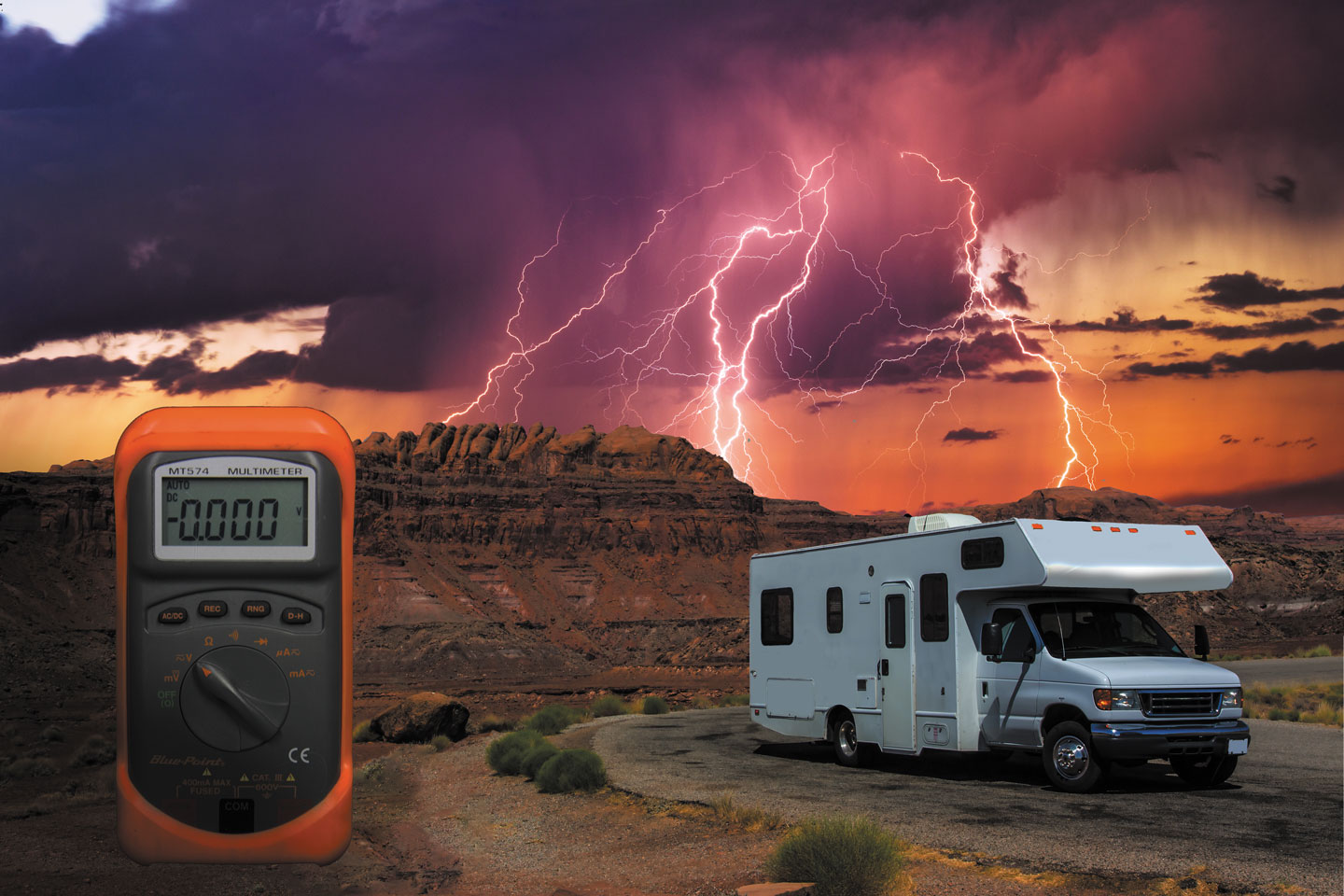
Use this versatile tool to perform a variety of electrical measurements.
By Mark Quasius, F333630
February 2019
Every RV owner’s tool kit should include a multimeter, which can provide a variety of electrical measurements. Voltage, amperage, and resistance readings can be obtained just by turning the dial to the correct setting.
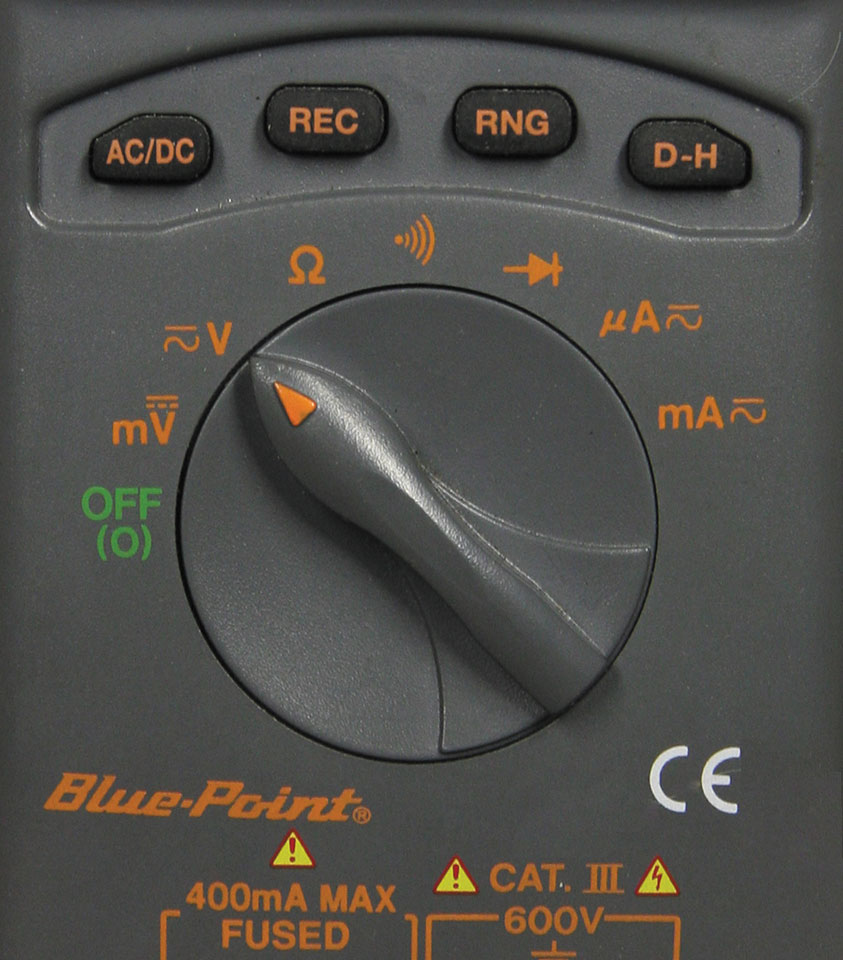
A multimeter can perform various measurement functions, and each is chosen by turning the device’s selection dial.
A multimeter can function as a voltmeter, and many RVers use it for no other purpose. Most multimeters can check DC battery voltage on an RV, as well as AC voltage at a campsite pedestal. In addition, a multimeter can look for blown fuses and test bulbs for continuity; measure voltage drop within various circuits; verify faulty cable connections; and test heating elements. Some meters can display current draw, measured in amps.
Be sure to read the owners manual thoroughly before using a multimeter, and follow all safety recommendations. Safety is paramount when making electrical measurements.
Multimeters are available in analog and digital versions. Analog models feature a traditional dial and needle-type movement. Digital meters utilize LCD or LED displays. Except for a few specific measurements typically performed by professionals, analog meters are largely obsolete thanks to more accurate and precise readings provided by digital meters.
Voltmeter Function
Measuring voltage with a multimeter is simple. Just turn the unit on, switch to either the AC or DC voltage setting, touch the probes to the connections at the battery or the electrical device being measured, and read the display.
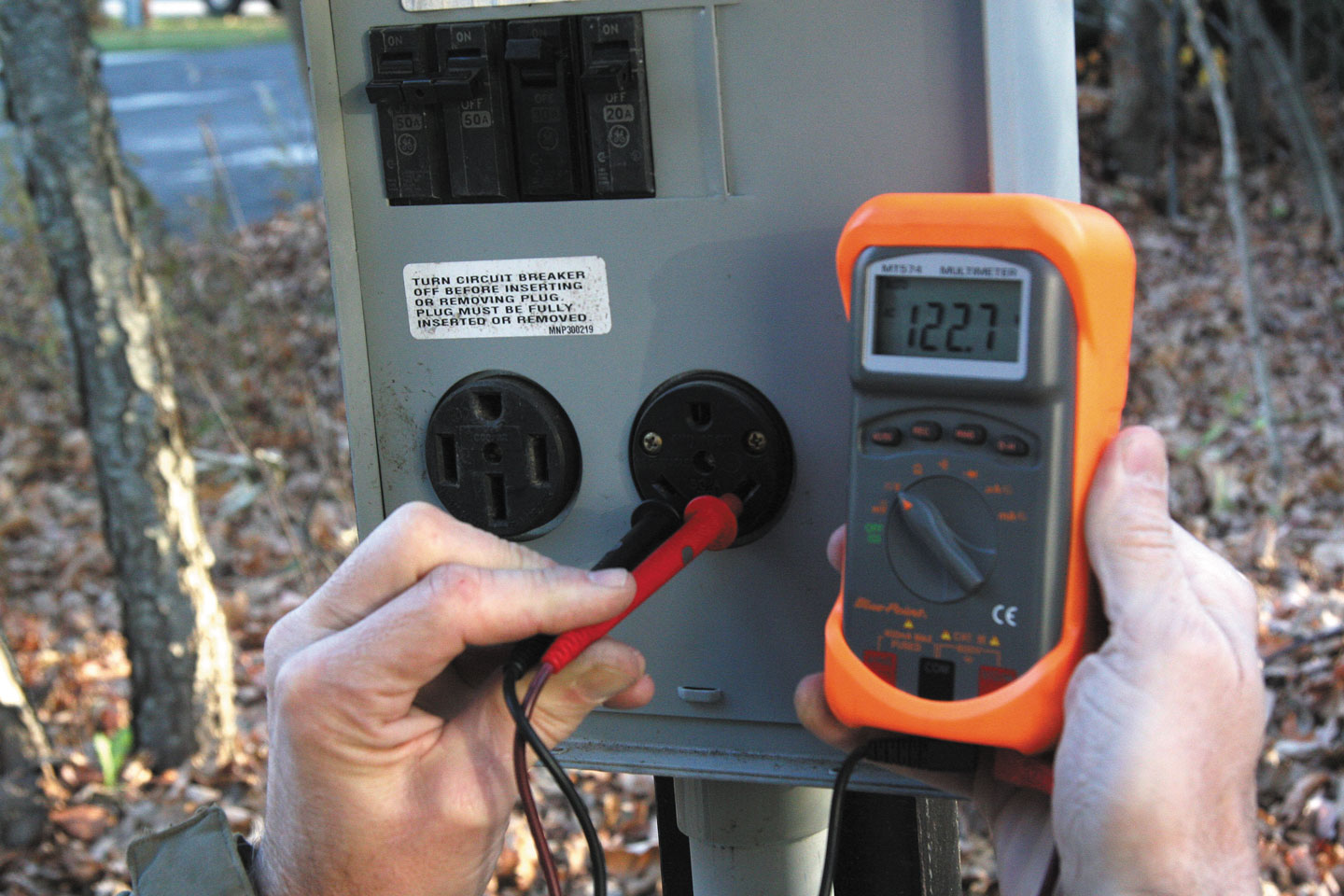
A multimeter can perform various measurement functions, and each is chosen by turning the device’s selection dial.
Meters without an “auto range” feature require the user to select either AC or DC voltage, as well as a voltage range, such as 0-20 volts, 0-100 volts, 0-1,000 volts, etc. But when equipped with “auto range,” a multimeter automatically compensates for incoming voltage levels; however, you may need to set it for AC or DC. This prevents potential damage to the meter and is one less thing to be concerned about.
Accessories sometimes can be added to a multimeter to expand its capabilities. A clamp-on ammeter probe or a dual-probe digital temperature adapter can be added to some of the more sophisticated meters, eliminating the need to buy multiple meters for different tasks. Keep in mind that less expensive meters likely will not have these options.
Pedestal Voltage
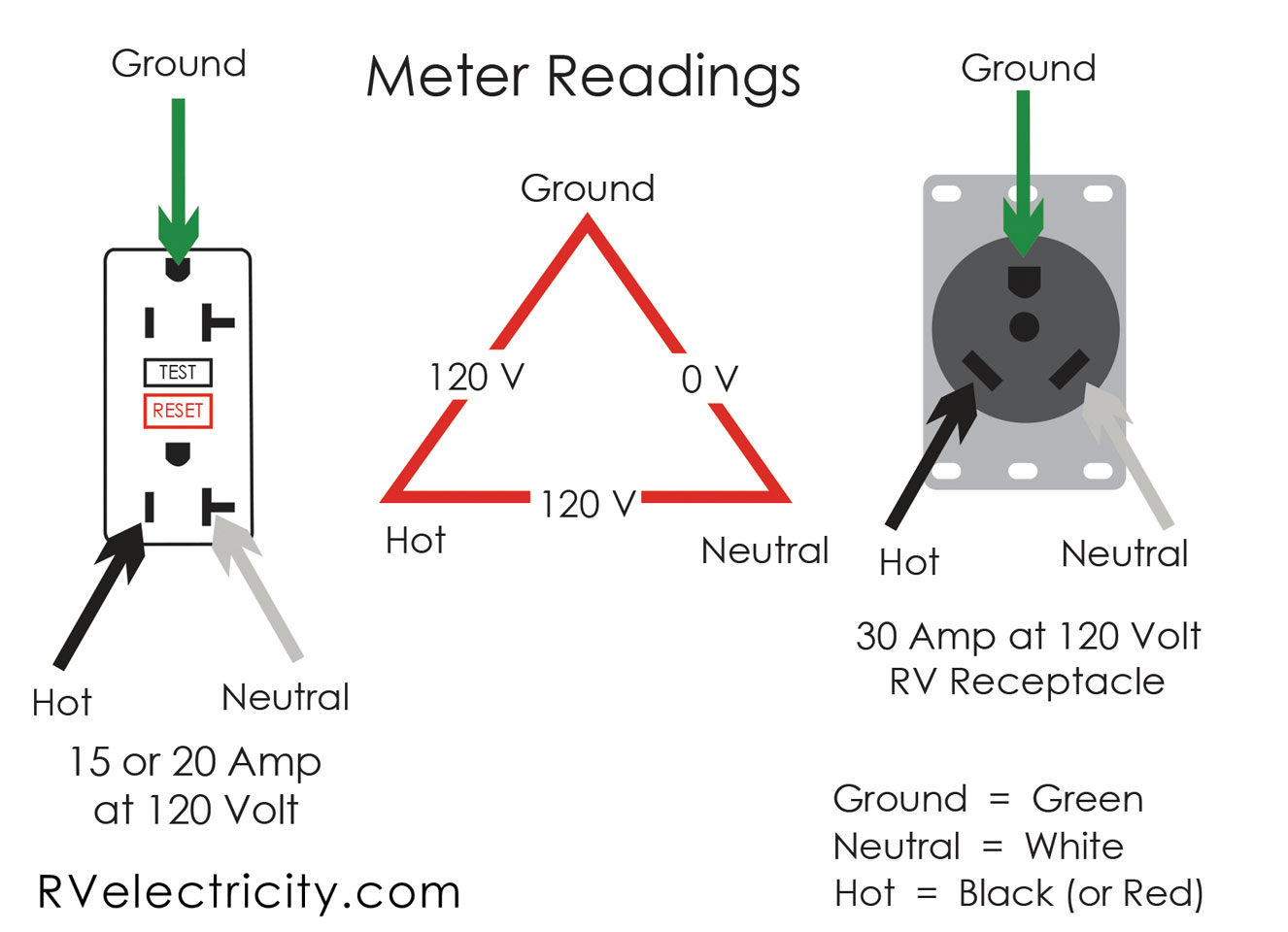
Twenty- and 30-amp RV pedestals have a three-wire receptacle. The safe incoming voltage range for RVs is 120 volts AC, plus or minus 5 percent.
As noted, another common multimeter task involves checking pedestal voltage before plugging in the RV. The safe incoming voltage range for all RVs is 120 volts AC, plus or minus 5 percent. If the voltage is not within tolerance, do not plug the RV into that pedestal.
Twenty- or 30-amp RV pedestals have a three-wire receptacle. This means there will be a single hot pole, a neutral wire, and a ground wire. When the multimeter is set to AC voltage, you can test for proper pedestal voltage by inserting the red probe into the hot terminal and the black probe into the neutral terminal; then insert the red probe into the hot terminal and the black probe into the ground terminal. In both cases, the reading should be 120 volts.
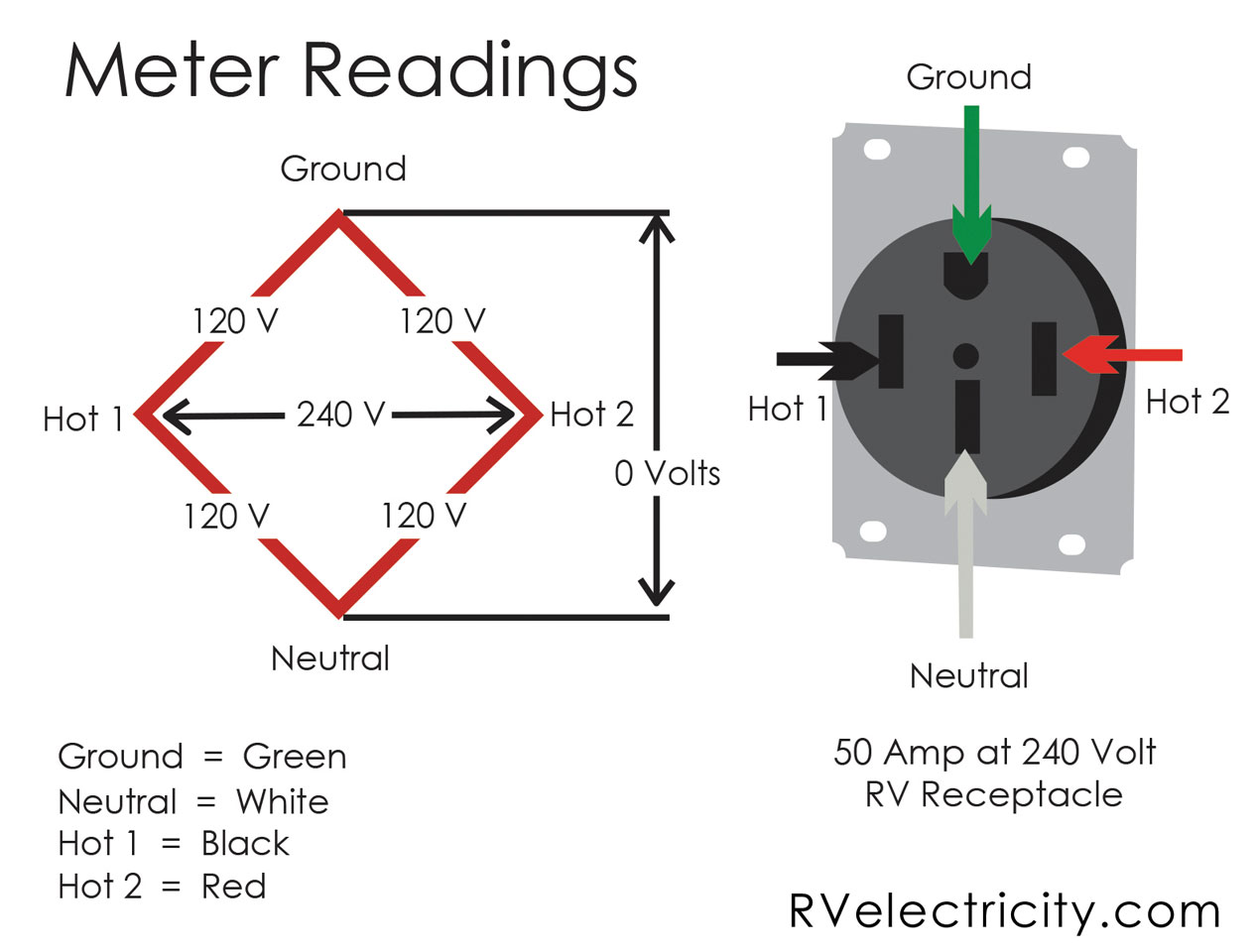
A pedestal with 50-amp service has a four-wire receptacle, and you should measure 240 volts across the receptacle’s two hot legs.
A pedestal with 50-amp service has a four-wire receptacle. In addition to the neutral and ground wires, there are two hot poles. When testing either of the hot poles to the neutral or ground, you should measure 120 volts. When testing one hot pole to the other, you should measure 240 volts.
Battery/Charging System
A multimeter also can be used to test the battery and charging system. Fully charged batteries at rest should measure 12.6 volts. If not, you may have to isolate the batteries from each other and charge them individually, and then test to see which one is drawing the battery bank down. When the charging system is running, you may see in excess of 14 volts while bulk charging, or somewhere around 13.2 volts if in float mode. If you constantly must add battery water, it’s likely the charging system is putting out too much voltage, probably during the float mode. If so, the charging system may need to be serviced or replaced.
Current Draw
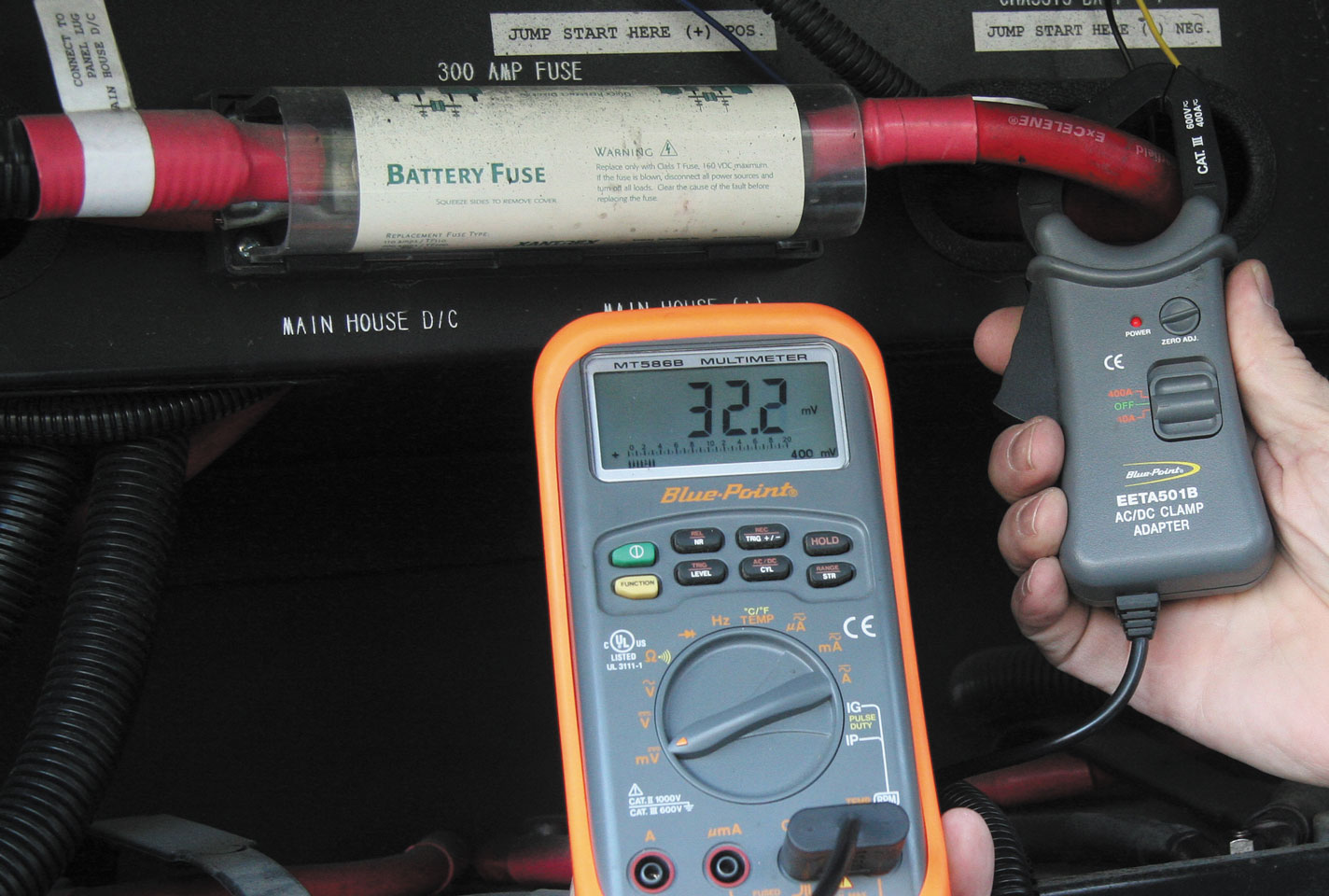
A multimeter can be used to check current draw, as well as alternator or battery charger output.
Testing for current draw is another use for a multimeter. Most multimeters can measure current flow using the existing probes. Generally, this is limited to no more than 10 amps. If you want to measure higher amperage, you will need a clamp-on ammeter
attachment.
If your RV loses battery power while parked, you may have a current draw somewhere. Every RV has a certain parasitic drain. Motorized RVs, in particular, have draws associated with the engine and transmission electronic control modules. Clocks, propane leak detectors, and radio memory power are typical of other parasitic drains. If you suspect that something else is drawing too many amps when the RV is parked, you can test for this using a multimeter.
Set the multimeter to the amps position, remove the positive or negative battery cable, and insert the multimeter probes in line between the battery cable and post. If the current draw is significant, remove fuses from the various circuits to determine where the draw is. You then can narrow the search to a handful of components. If you want to check larger current loads, such as alternator output, battery charger output, or inverter draws, you’ll definitely need a clamp-on ammeter attachment.
Voltage Drop
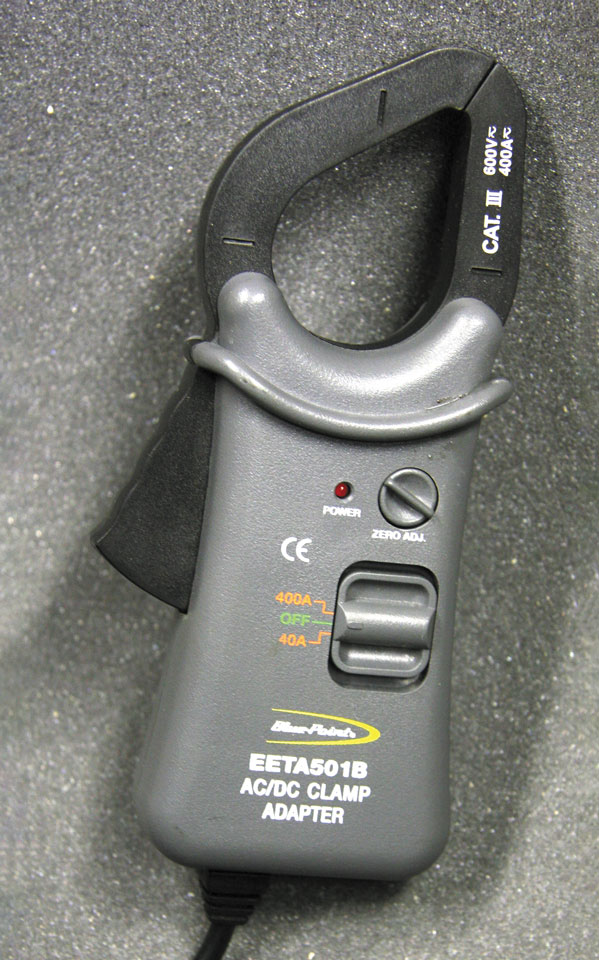
Multimeters generally can measure current draw up to 10 amps; for higher amperage, a clamp-on ammeter is needed.
Battery cables and wiring sometimes suffer from fouled or faulty connections. A terminal connector may have a bad crimp, a wire may have pulled out of the connector, or corrosion may be affecting the wire’s ability to transfer current. By placing one meter probe on one end of the wire and the other probe on the far end of the wire, you can determine the voltage drop (i.e., loss) as the current passes through the wire. A meter reading of 0.2 volts is acceptable, but a reading of 2.5 volts or more indicates a serious voltage loss in that cable. By checking the entire run, and then narrowing it down to smaller segments, you can determine which cable segment is bad.
Precise measurements of voltage drop depend on the length of run and the size of the conductors. In some cases, advanced diagnosis may be beyond the scope of the typical do-it-yourselfer. When in doubt, contact a certified RV technician.
Diodes
Diodes act as electronic check valves — they allow current to pass in one direction but not the other. Some multimeters have a diode test setting that provides a quick go or no-go readout. If your meter does not have a dedicated diode test setting, you can check diodes using the ohmmeter function. However, in most cases the diode must be removed or partially isolated from its circuit to be tested in this manner.
To test a diode, place the probes on each end of the disconnected diode and observe the reading. Then reverse the probes and observe that reading. A good diode shows resistance in one direction and no resistance in the other direction. If the meter indicates an identical reading in both directions, the diode is shorted and has failed.
Fuses
A multimeter can test fuses. If the fuse is in the holder and the circuit is powered, you can use the DC voltmeter setting. You should have power at the input side of the fuse. A good fuse will have power at the output side as well, but a blown fuse will have power only on the input side. For circuits that are not powered at the moment you test, you can remove the fuse from its holder and test the fuse with the meter’s ohmmeter function. You should have continuity when you place the probes on each end of the fuse.
Heating Elements
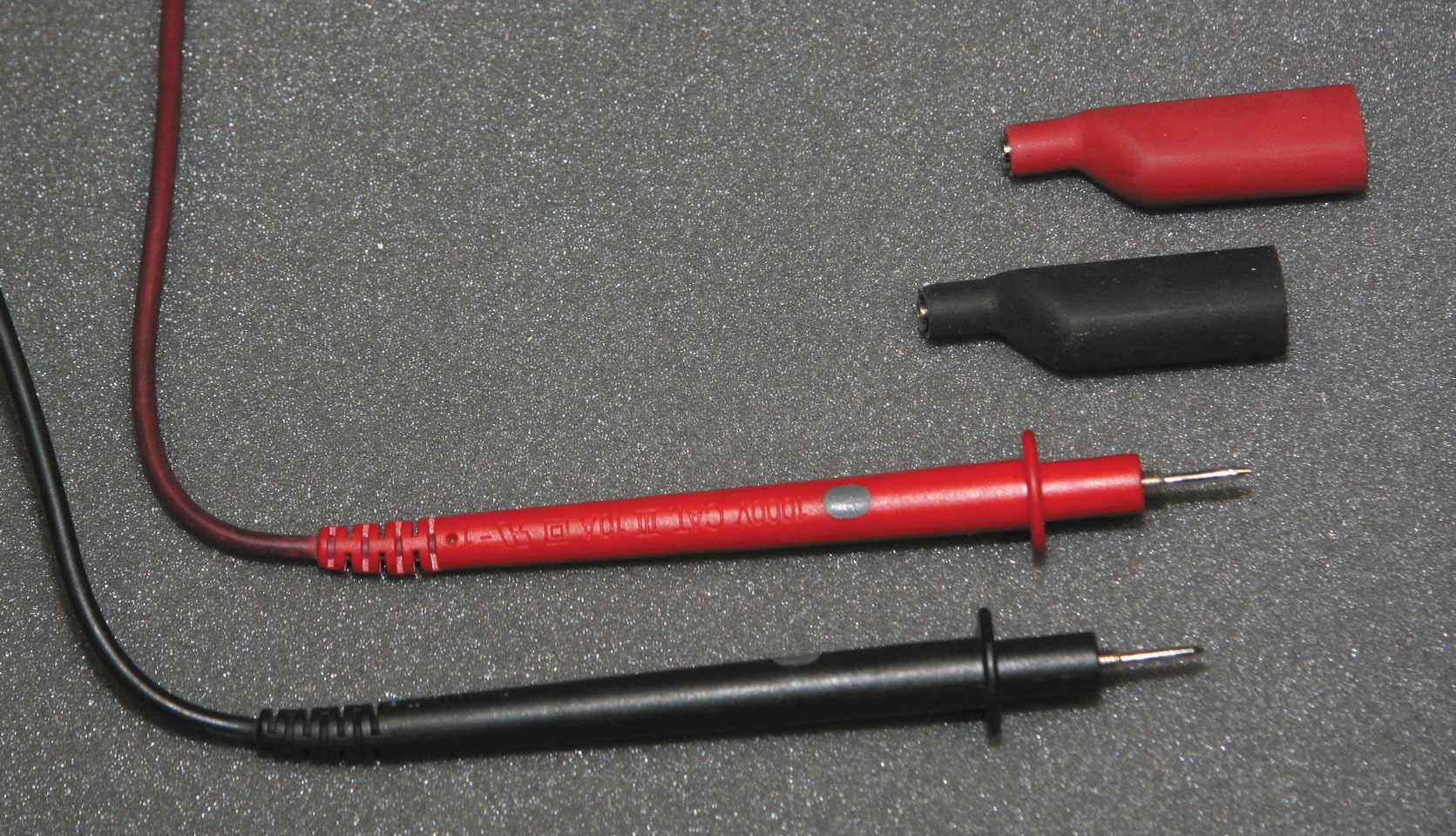
Screw-on alligator clips are a handy accessory for multimeter probes. The clips firmly grip wiring or contacts and allow for hands-free readings.
To test a heating element, first be sure you can measure 120 volts at the heating element connection. If voltage is present but the water heater isn’t getting very warm when in electric mode, disconnect the power from the heater and remove the wires from the heating element. Check the water heater literature for the unit’s rated wattage and divide that number by 120 volts to determine the amps the heater normally draws. Then divide 120 volts by the amperage to calculate the normal resistance of the heating element. Set the multimeter to ohmmeter mode and measure the resistance of the heating element by placing the probes on the two wiring terminal connections. If the heater element is in good shape, the resistance measurement should match or be very close to what you calculated.
Summary
Now that we’ve covered the possible uses for a multimeter, it should be apparent that everyone needs this tool in their RV. Prices vary widely. Among the many models made by Fluke is the 15B+, an auto-ranging meter that, at press time, could be found at online retailers for about $125. My favorite multimeter is Snap-on’s Blue-Point MT574C, an auto-ranging meter with a rubber boot that protects it from drops and prevents it from sliding off a metal surface. The cost is $204. If you find a great off-brand bargain, it’s always a good idea to peruse some user reviews before buying.