
Celebrate a new growing season with these simple recipes.
By Janet Groene, F47166
March 2019
In springtime, RV travel hits that sweet spot before campgrounds get crowded and summer arrives with heat and bugs. It’s a time of iffy weather and cold nights. It calls for hot suppers as night falls, then a bracing breakfast in the morning chill.
The tasty foods that follow use traditional springtime harvests and are easy to prepare in the RV galley. In your travels, look for farm markets and roadside stands selling dewy fresh foods grown in freshly tilled soil, gentle springtime sprinkles, and warm sunshine.
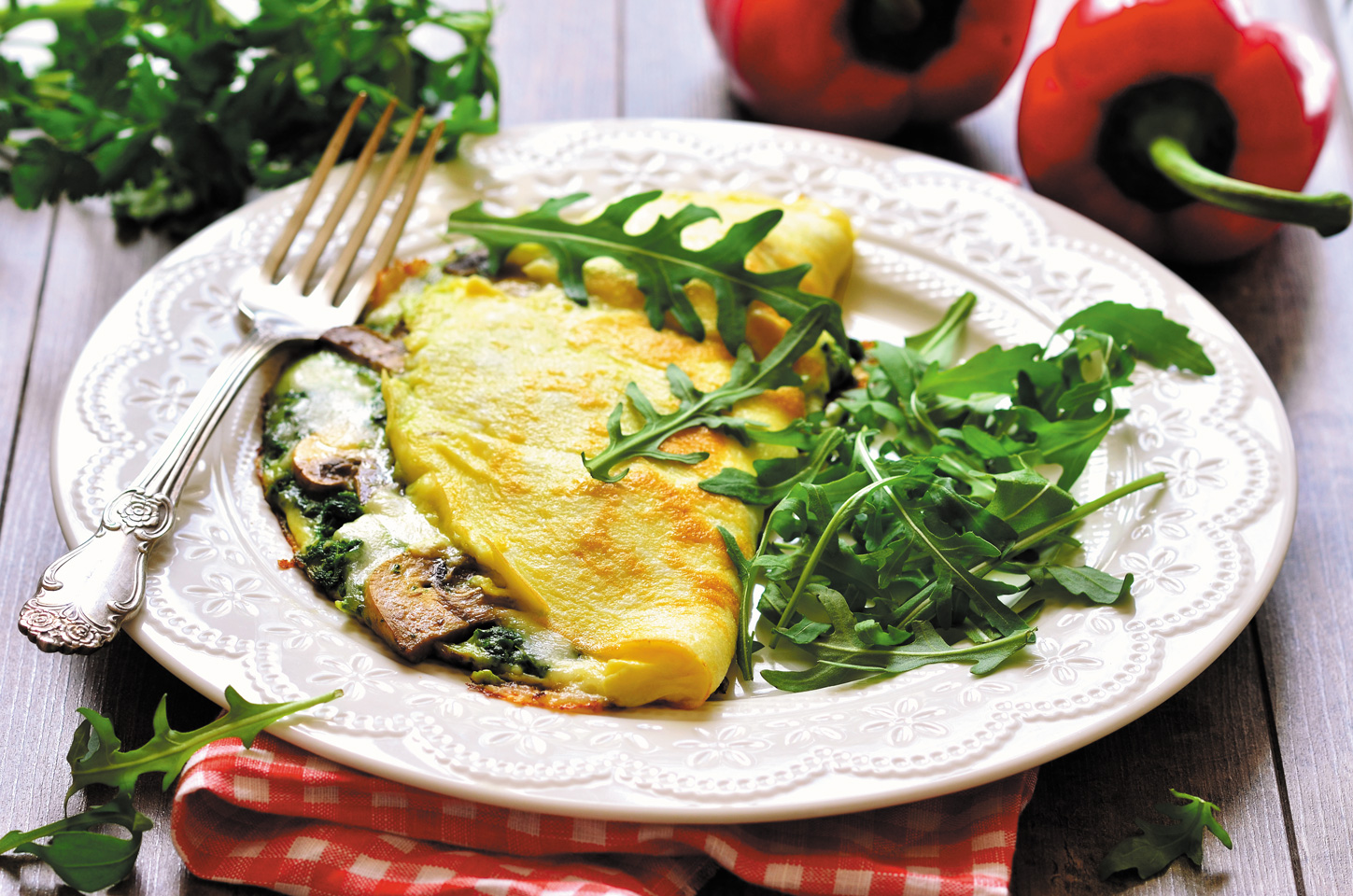
Popeye Omelet
Young leaves of chard, spinach, and kale start appearing in farm markets less than a month after planting. Eat them raw in salads or flash-cook them in hot olive oil or butter just until wilted.
6 to 8 eggs
2 tablespoons milk or cream
1 teaspoon salt
½ teaspoon pepper
2 tablespoons butter
1 tablespoon walnut oil
1 tablespoon minced garlic
4 cups trimmed baby spinach, chard, or kale
Pinch of sugar
2 tablespoons butter
Beat the eggs with the milk or cream, along with the salt and pepper. Set the eggs aside. In a large skillet, heat 2 tablespoons of butter, the walnut oil, and the garlic. Stir in the greens, a handful at a time. They’ll immediately cook down so you can add another handful. When all are wilted, sprinkle very lightly with the sugar.
Add another 2 tablespoons of butter to the greens. When it melts, stir the greens and add the beaten eggs. Reduce heat, cover the skillet, and cook over medium heat until the omelet is set. Makes four servings.
One-Pot Pasta Primavera
The first greens of springtime turn pasta into a carnival of color: tender leaves, delicate yellow baby carrots, squash blossoms, asparagus, red radishes. Pasta primavera can be different each time depending on what vegetables are available. Just go for the largest variety of colors.
3 cups water
2 teaspoons chicken or vegetable powdered bouillon
12-ounce package medium pasta such as penne rigate
3 cups cut vegetables
Olive oil and grated Parmesan cheese OR 1 jar Alfredo sauce
Bring the water and bouillon to a boil. Add the pasta and boil for 5 minutes, stirring if necessary to keep the pasta covered. Add the vegetables, bring the water back to a boil, and cook 3 to 4 minutes more. Drain, saving the water. Either toss the hot pasta with the olive oil and cheese to taste, or stir in the Alfredo sauce, adding some of the pasta water as needed. Makes four servings.
Cook’s note: Some vegetables, such as delicate asparagus tips, bright radishes, and cherry tomatoes, may be best without cooking.
Nopales
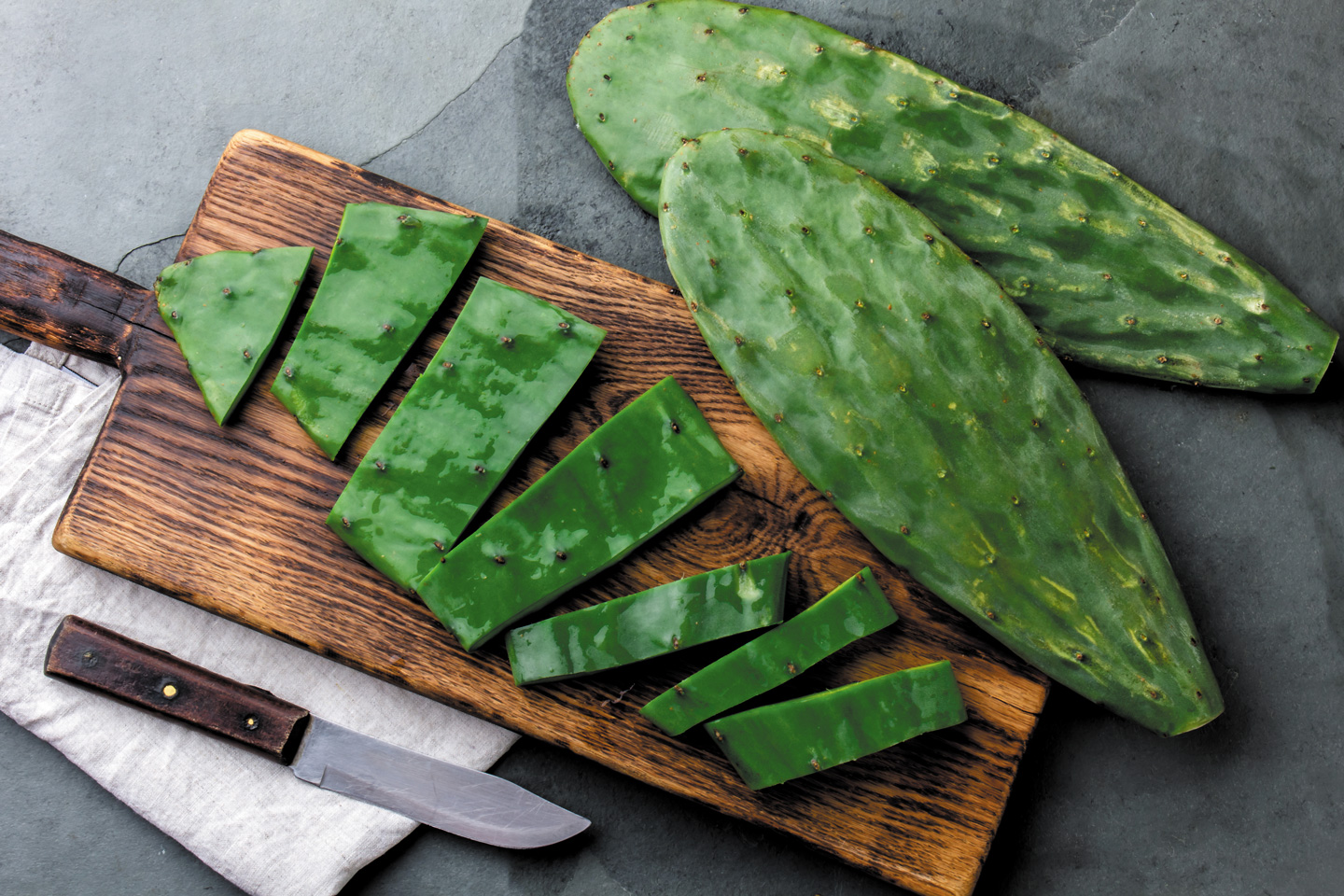
Nopales are the leaves or paddles of the prickly pear cactus.
Nopales are the leaves or “paddles” of the prickly pear cactus. They can be harvested all year but are best in springtime when they can be gathered in the morning before the hot sun bakes them. The spines are cruel, so avoid them in the wild. Instead, buy them in Mexican markets, where they are sold with the thorns removed. Slightly acidic, and slimy if not cooked properly, they are primarily a tasteless filler that takes on the flavor of whatever they are cooked with.
12 palm-size cactus pads
4 cups water
2 teaspoons salt
4 cloves garlic, smashed
Use a vegetable peeler or knife to scrape the bumps off dethorned pads. Trim off the edges of the pads. Cut the pads in strips the size of French fries and cook them in boiling water with salt and garlic until they release their clear, glue-like substance. Drain them, rinse in cold water, and drain again. Use the pads diced or in strips in soup, stew, chili, tacos, and salads. Or, brown them with potatoes in half butter, half vegetable oil, and serve them as a starch side dish.
Roasted Artichokes
Artichokes are a California specialty. The Whole Foods folks say the best time to buy them is March through May. Prep time is fast, but oven roasting takes time. Serve them on a cold, drizzly spring day when extra oven heat will be welcome in the RV. They need a hot oven, so they also can be roasted in a Dutch oven in a carefully managed campfire.
4 artichokes
Olive oil for cooking and serving
4 large cloves garlic
4 teaspoons coarse salt
2 lemons
Holding the artichokes by the stem, slice off about 1½ inches from the top, exposing the heart and leaves. Cut off the stems. Set out four squares of heavy-duty foil. Smear the center of the foil with olive oil. Place each artichoke on the foil, stem end down. Plunge a knife into the center of the “choke” to make a slit, then press in a clove of garlic and sprinkle the center with salt.
Gently spread the leaves with your fingers and drizzle them with olive oil and a little lemon juice, letting it run into the leaves. Bring up the edges of the foil and wrap tightly, pressing to make a tight seal to hold moisture in. Wrap each again in a second piece of foil. Roast at 425 degrees for 80 minutes.
The steam will be hot, but work with the artichokes as soon as you can after they’re cooked. Unwrap them, drizzle with more olive oil, and serve with lemon wedges. Pluck one leaf at a time and strip the delectable meat off the leaves with your teeth. Discard the center. Makes four servings.
Stir-Fried Pea Shoots
Gardeners wait weeks to harvest garden peas, but the shoots, or early leaves, can be eaten raw or cooked within 25 days of planting. Look for them in farm markets and organic food stores. If you garden on the go, as many RVers do, pea shoots make an ideal patio crop. Look for complete soil-and-seed pea shoot window gardens in garden supply stores.
12 ounces pea shoots
1 tablespoon canola or peanut oil
1 teaspoon minced ginger root
1 teaspoon minced garlic
1 teaspoon sugar
1 teaspoon soy sauce
1 tablespoon oyster sauce
Wash the pea shoots well. Let them drain while you heat the oil in a skillet or wok. Sizzle the ginger and garlic in hot oil, then stir-fry the shoots until tender, gradually adding sugar, soy sauce, and oyster sauce. Makes four servings.
Strawberry Salsa
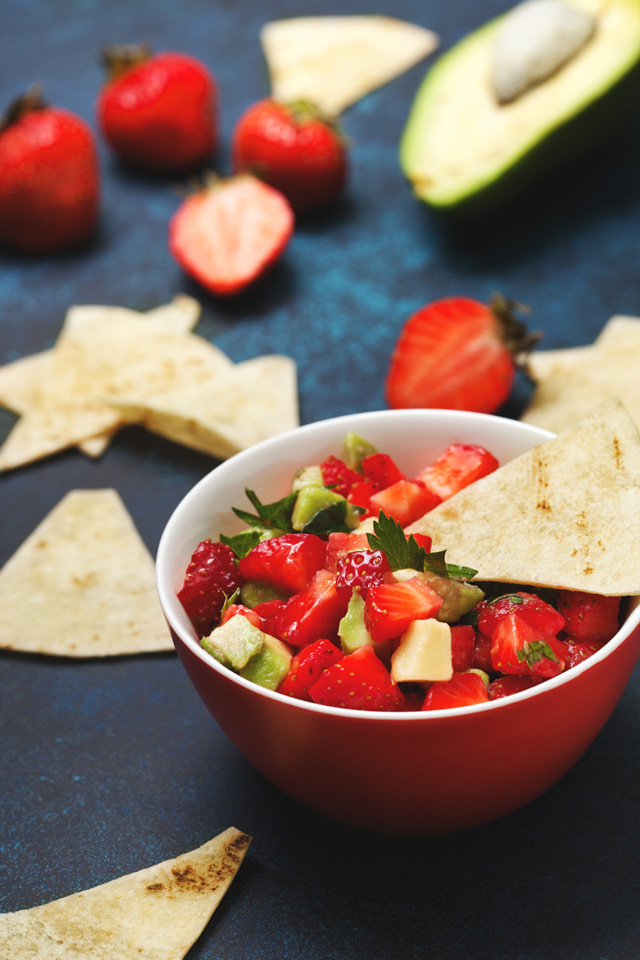
Strawberry salsa
The strawberry harvest begins in Florida in February and spreads north, allowing RV snowbirds to stop at local strawberry festivals as they return home. Use the berries in dozens of ways, sweet and savory.
1 quart fresh, ripe strawberries
1 ripe avocado, skinned and diced
3 tablespoons lime juice, or more to taste
3 scallions, sliced thin, OR 1 red onion, finely diced
Small bunch baby radishes, quartered
Salt, pepper to taste
Cut up the strawberries. Toss them lightly with the avocado and lime juice to prevent the avocado from turning brown. Stir in the remaining ingredients. Serve with meat, salmon, or an omelet. Makes 5 cups.
Strawberry Icebox Dessert
About a quart of fresh, ripe strawberries
1 box graham crackers
About 8 bite-size Heath bars, chopped
1 tablespoon almond liqueur (optional)
Large tub of whipped topping
Squirt bottle of chocolate syrup
Trim the strawberries, cut them in half, and place them cut-side down on paper towels. Lightly butter a 9-inch-by-13-inch pan and line the bottom with a single layer of graham crackers. Top with a single layer of strawberries, cut-side down. Sprinkle with some of the chopped candy and drizzle with the liqueur, if you choose. Spread with whipped topping. Repeat with another layer of graham crackers, another layer of strawberries, candy, liqueur, and whipped topping.
End with a layer of graham crackers. Drizzle lightly with chocolate syrup, and then spread with whipped topping. Cover tightly with plastic wrap and chill several hours or overnight. Cut in squares. Makes 12 servings.
Farm Stand Treasures
In your travels, brake for these regional specialties:
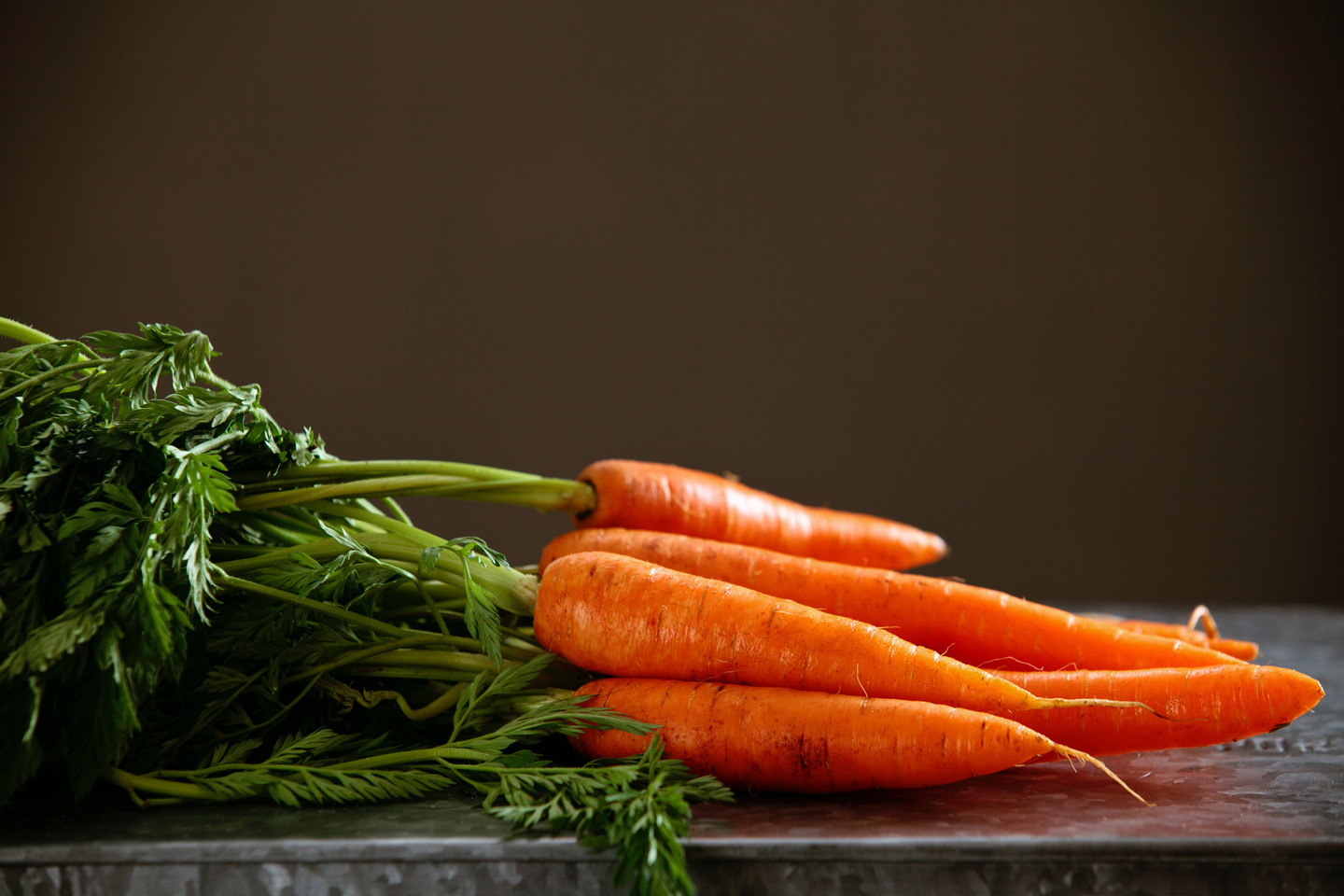 Carrot tops are on the bitter side but they make an excellent garnish on hot and cold dishes. Use the delicate top leaves like parsley.
Greens range from tender mustard shoots in early spring to the tough collard greens that are still growing in Southern gardens after a cold winter. Don’t miss lesser-known greens such as pea shoots, carrot tops, turnip greens, and beet greens.
Poke salat refers to the leaves of the poisonous pokeweed. Some people take it as a tonic. Old-timers savor its flavor. It’s boiled and drained multiple times to remove toxins, and then the leaves are fried in butter, often with scrambled eggs.
Ramps are a pungent, onion-like sprout also known as wild leeks. They grow in patches in woodlands and bottomlands from Canada to North Carolina and Tennessee, and as far west as Minnesota and Missouri. Use ramps like garlic.
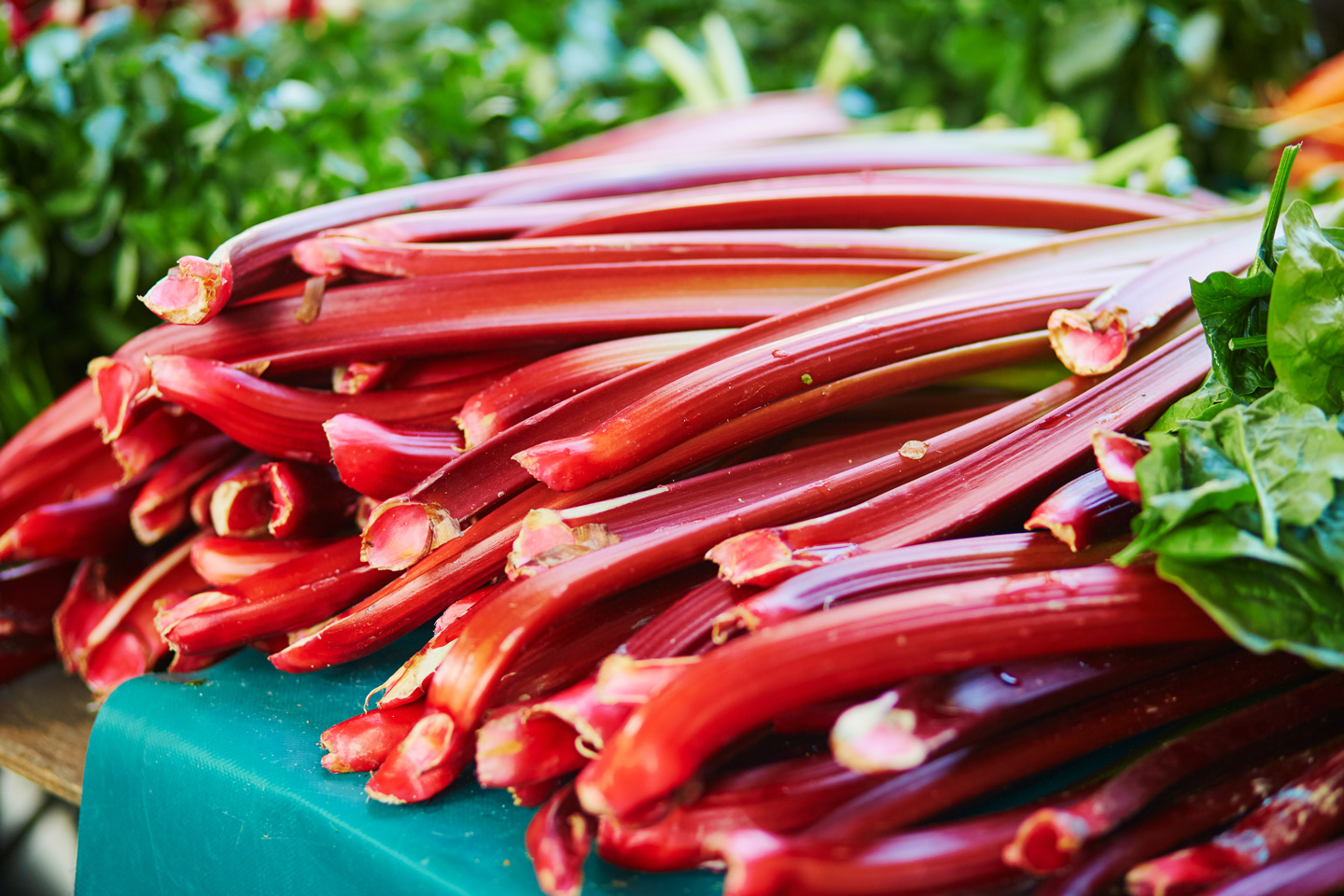 Rhubarb likes ground that freezes in winter, so it can be grown as far south as northern Florida. Once started, the carefree crop spreads, returning each year. Sweetened with enough sugar, it’s delicious. Paired with strawberries in a pie or preserves, it’s divine.
White asparagus is so popular in Europe, it’s celebrated with festivals and asparagus restaurants. It’s simply the familiar green vegetable, grown in the absence of sunlight.