
Travel
It’s Snowbird Season!
According to a KOA research report released in October 2021, nearly one-third of campers consider themselves to be snowbirds (traveling to southern locations during the colder months and camping for extended periods), though most could be considered “snowbird vacationers,” since they typically camp for one to two weeks at a time.
The KOA survey results indicated that approximately 17 percent of all campers who have historically taken trips to the southern states planned to do so again this winter, while 9 percent of campers would be snowbirding for the first time. It is estimated that 2.4 million active camping households will spend three or more months snowbird camping this winter, while another 9.6 million plan to take a snowbird vacation for one to two weeks.
Many snowbirds noted they were departing early this year, with one-fourth leaving prior to the Thanksgiving holiday. In addition to active snowbird campers, 6.9 million camping households planned to take at least one winter camping trip before the end of 2021.
Arizona
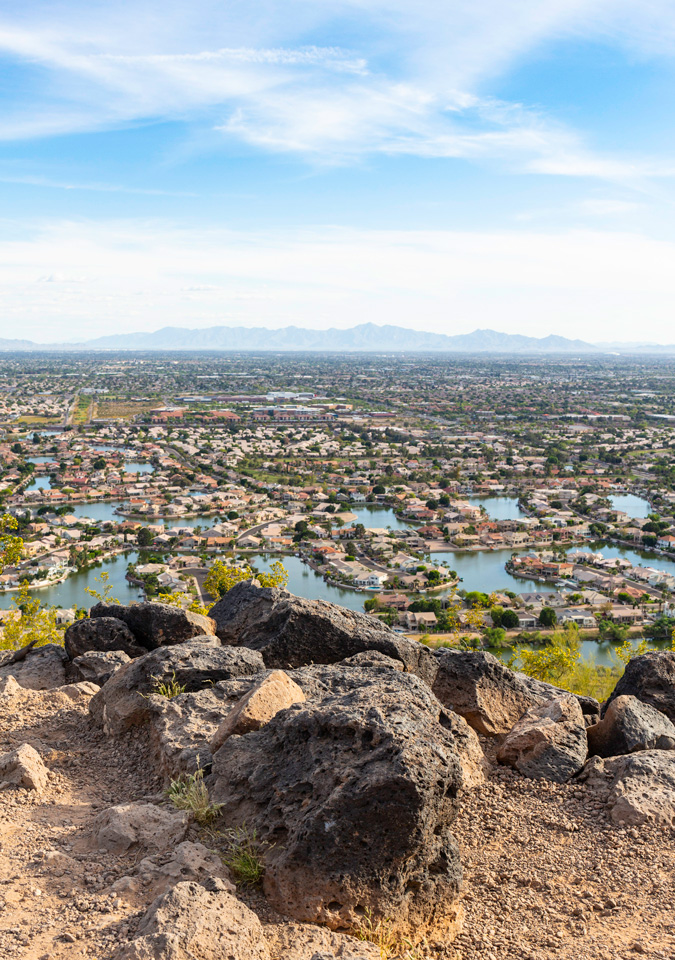
Family RVing magazine did a little informal “research” of its own by posting a poll on the Facebook group “RVs & Camping – On The Road With FMCA.” We asked, “Where is your favorite place to RV in the winter?” Arizona topped the list, with 37 percent of respondents selecting the Grand Canyon state. That’s great news for FMCA’s 104th International Convention and RV Expo, set for March 23 through 26, 2022, in Tucson, since that means some members already will be in the neighborhood. Make plans now to join us for some fun in the Arizona sun!
Florida wasn’t far behind in FMCA’s Facebook poll, with 31 percent of the votes. Next came Texas, with 12 percent; and California, Georgia, and Nevada received a few votes. Other places mentioned included Alabama, Louisiana, Mississippi, and South Carolina. One intrepid RVer noted that they enjoy cold-weather camping — brrr. And some of us shared that we place our RVs in hibernation for the winter — come on, spring!
KOA’s research found that the most popular snowbird locations are as follows:
1) Florida
2) California
3) Arizona
4) Texas
5) Georgia
6) Nevada
App File
Unlocking History’s Mysteries
The United States is filled with locations — some obscure, some obvious — where tiny bits of history happened. These apps keep you from letting history pass you by as you travel.
Explore Here app
Explore Here: The app includes more than 150,000 historical markers, National Park Service sites, native lands, and interpretive signs. Turn on the app’s travel mode and you can keep track of markers as you pass by, or program it to send you a notification. You also can open a map and find the nearest markers. The app is free for both iOS and Android, but for $9.99 annually, the “pro” version gives you access to bonus material. www.explorehere.app
HearHere app
HearHere: Every place has a story, and the founders of HearHere have given a story to every place. More than 8,700 stories are in the app’s library, covering a range of topics: colorful characters, culture, history, natural wonders, sports, and more. The stories are read aloud so you can focus on the road or scenery; narrators include celebrities such as Kevin Costner, who is a cofounder of the app. Available for iOS. The first five stories are free, but then you must choose one of three plans to continue. www.hearhere.com
Clio app
Clio: Named after the ancient Greek muse of history, Clio uses your location to direct you to more than 38,000 landmarks, museums, and historic sites of interest. It also acts as a virtual time machine, showing images, videos, and stories about what happened around the sites. Clio is a collaborative site, so most of the content comes from local historians and museum volunteers. Free on iOS and Android. www.theclio.com
Bookshelf
Chasing The Blues
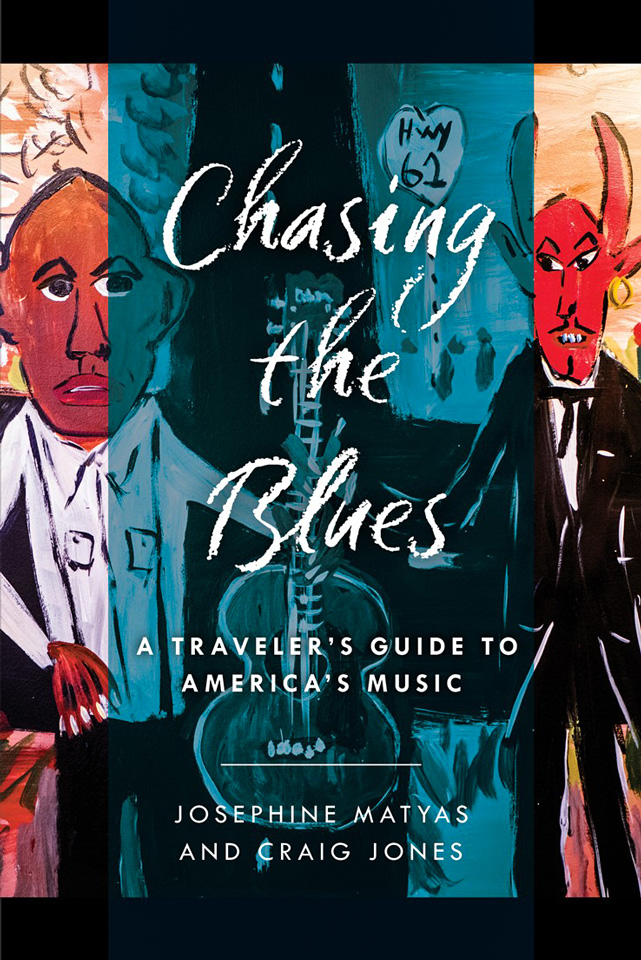
Chasing The Blues: A Traveler’s Guide To America’s Music
Travel writer Josephine Matyas and writer-musician Craig Jones set out in their Roadtrek motorhome with the intent to trace blues music back to its geographical and cultural origins in the Mississippi Delta. The result is a book titled Chasing The Blues: A Traveler’s Guide To America’s Music.
The authors don’t necessarily intend for the book to be read from front to back as one would a narrative novel. Instead, they encourage readers to “dip in” and “dip out” of the book. They suggest writing in the margins, making notes, and using highlighter pens, and they hope travelers will take it along as a guide to exploring a part of the world that gave birth to the blues and, in essence, American music as we know it today.
The book explores the roots of American popular music, as well as the geographic, sociocultural, and political origins of the Delta blues musical genre. Later chapters are divided into geographical sections and take readers along on a road trip that meanders from one Mississippi town to the next, exploring major blues meccas as well as scattered small sites of significance. One chapter delves into the blues beyond Mississippi.
Each geographic section includes tips from the authors for finding the food for which the area is known, from Southern fried chicken and Mississippi barbecue to fried green tomatoes and catfish. The authors also supply a list of resources for each region, categorized as “Must See,” “Must Read,” and “Must Listen And Watch.”
The book wraps up with an exploration of blues pioneers and instruments, as well as a look at the British influence on the genre.
In the preface, the authors note: “If you take this book and follow our recommendations and travel the Delta roadways, enjoy barbecue or fried chicken along the way, visit the places we write about, and follow up with the suggested readings and YouTube viewings, the book will have achieved our purpose. You’ll be happy, and we’ll be satisfied.”
Chasing The Blues: A Traveler’s Guide To America’s Music by Josephine Matyas and Craig Jones, Backbeat Books ($24.95), is available from online booksellers.