
History
National Park Service Recognizes Underground Railroad Sites
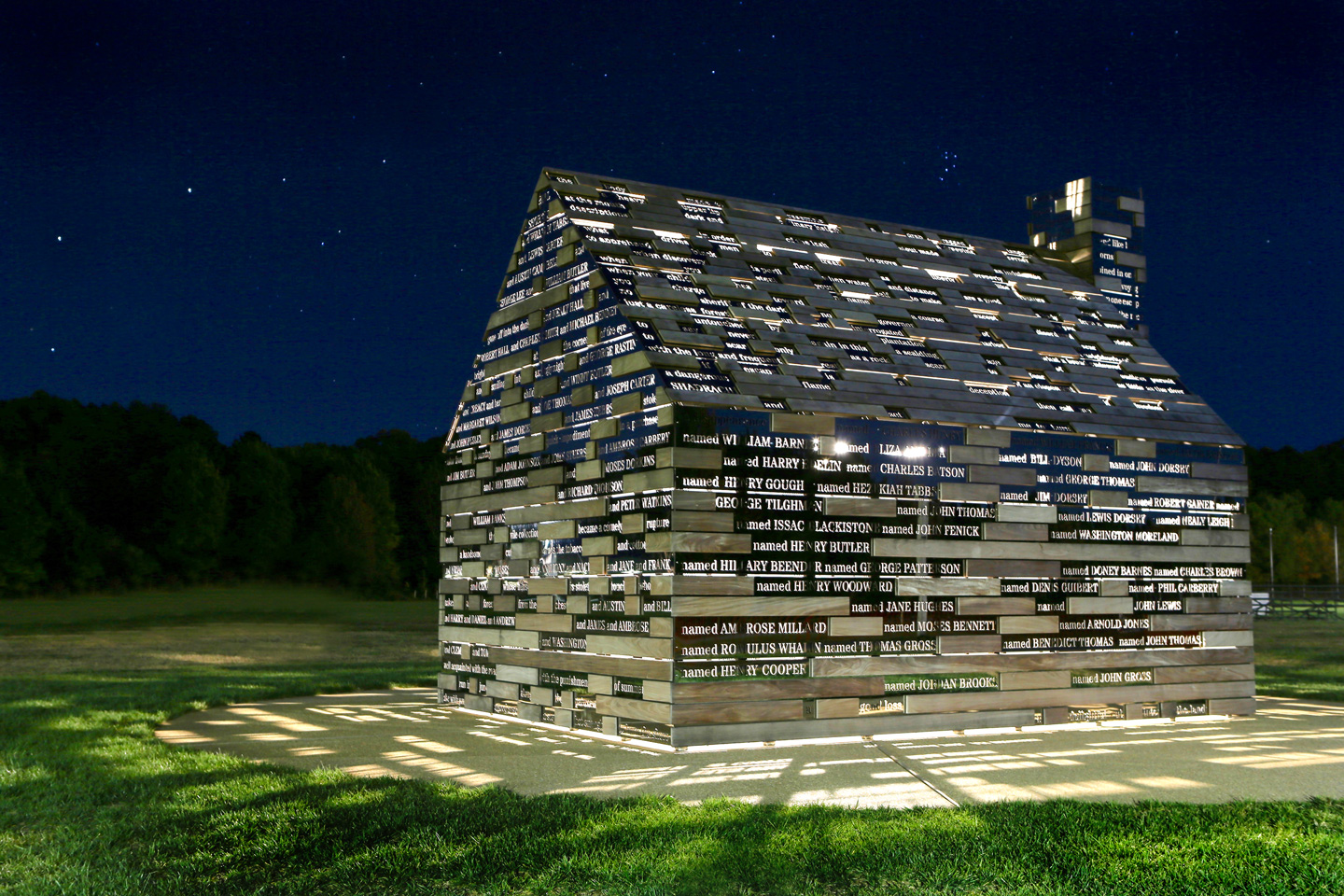
The National Park Service has added 16 new listings to the National Underground Railroad Network to Freedom. There are currently more than 700 Network to Freedom listings in 39 U.S. states, and new listings are added twice a year. Some of the newest include the Emmanuel Prudhomme Plantation, which is known today as the Oakland Plantation in Cane River Creole National Historical Park, Louisiana; the Marianna Expedition on Santa Rosa Island, Gulf Islands National Seashore, Florida; and the Mass Escape at Mackall Plantation at St. Mary’s College, Maryland.
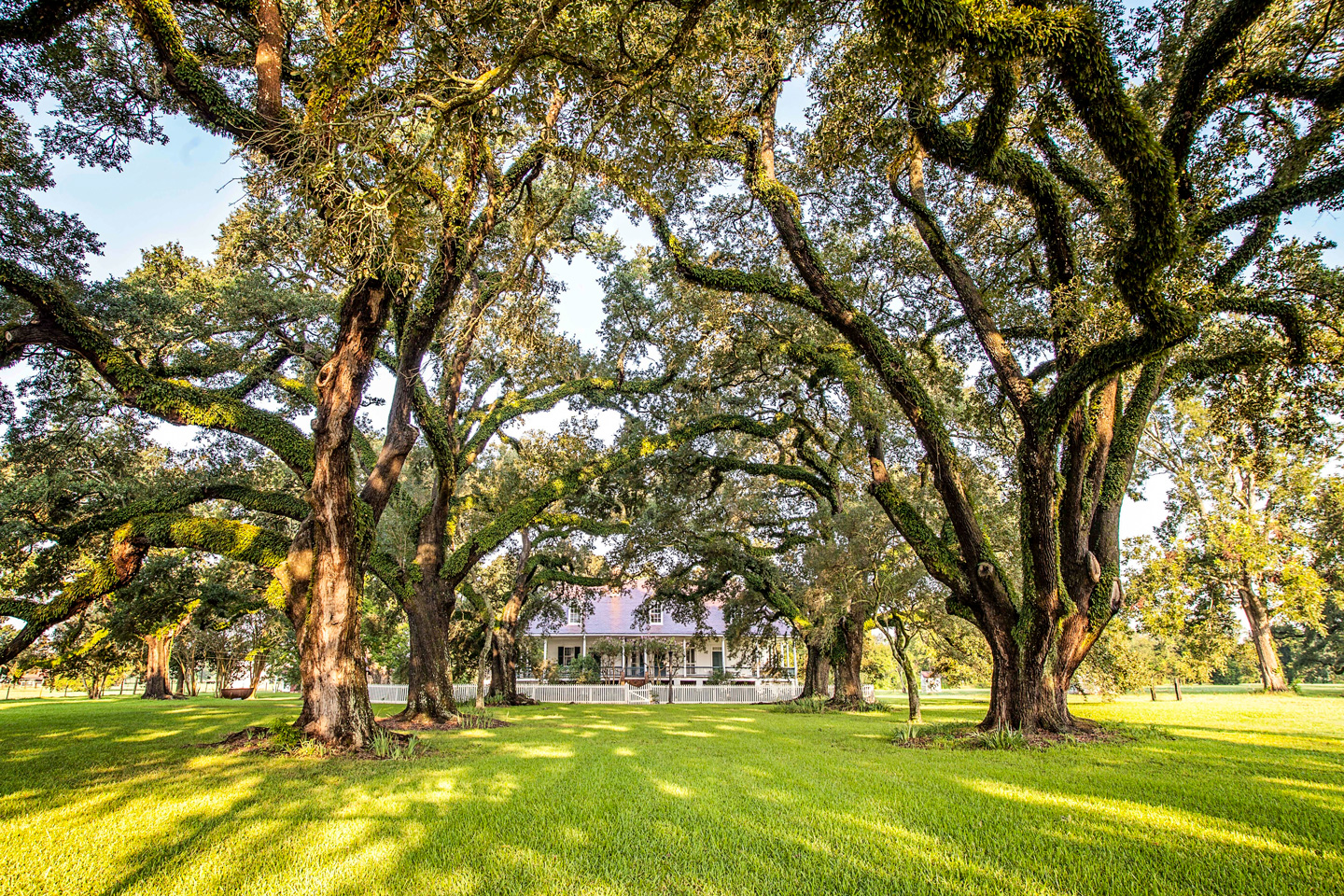
Centuries-old live oaks shade the Oakland Plantation house in Louisiana’s Cane River region.
The National Underground Railroad Network to Freedom was created in 1998 to honor history associated with resistance to enslavement through escape and flight; to preserve historical sites; to create a network of historical sites and research facilities; to provide technical assistance for documentation; and to coordinate education efforts nationwide. The Network to Freedom consults with community advocates and researchers to respect and preserve the memories of the Underground Railroad.
2022 marks 200 years since Harriet Tubman’s birth. After escaping slavery in 1849, she then risked her life to free hundreds of other enslaved people through the Underground Railroad. Later, during the Civil War, she went on to work for the Union as a scout, spy, cook, and nurse, and she became the first woman to lead a major military operation in the United States.
Many National Underground Railroad Network to Freedom sites are privately owned. If a site is not open to the public, the National Park Service asks that visitors respect the privacy of the site’s owner.
To learn more about the Network to Freedom program, visit www.nps.gov/ntf.
Health
Hydrate! A Quick Refresher
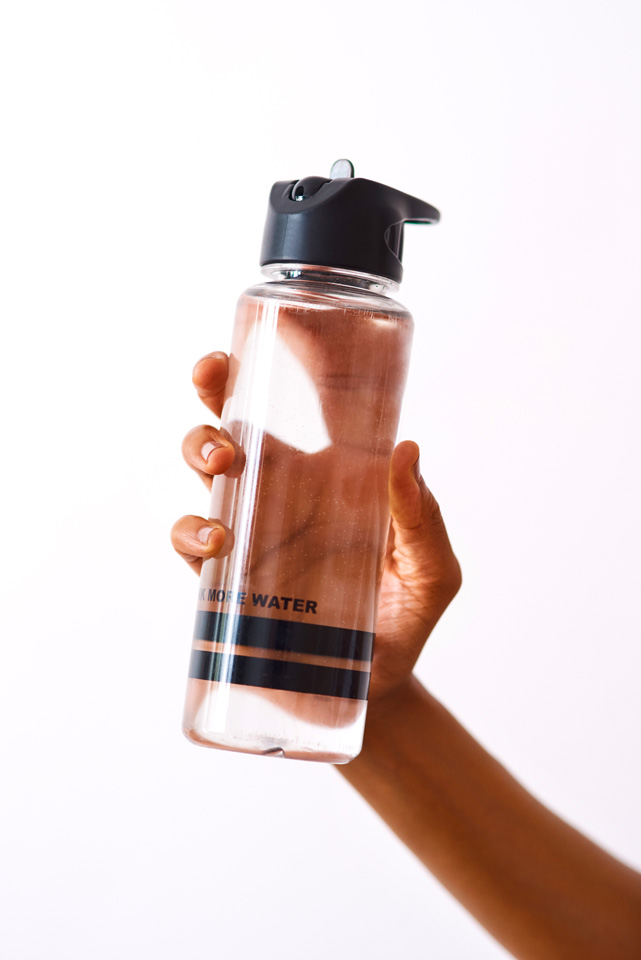
Especially when traveling in warmer weather, it’s important to stay hydrated.
Whether you’re RVing in a hot, humid area or dealing with dry desert heat, it’s important to stay hydrated. Most of us know the basics, but a little reminder never hurts. Emergency medical personnel at FMCA’s recent Tucson, Arizona, convention offered these tips to beat the heat:
*Drink lots of water — at least a 16-ounce bottle each hour if you’re outside for prolonged periods of time. (The Centers for Disease Control and Prevention suggests drinking even more — 24 to 32 ounces per hour; do not exceed 48 ounces in an hour.)
*If you’re used to humidity, be aware that the Southwest’s dry heat is quite different. Pay attention to how you feel. The hottest hours of the day are typically from 2:00 p.m. to 5:00 p.m.
*Some of the first noticeable signs of dehydration are excessive thirst and dry “cotton mouth.” Don’t wait until you feel thirsty to drink.
*Sweating is a good sign; it’s a cooling mechanism. If you’re not sweating, you need to hydrate — so grab that water bottle.
*Consume water gradually. Do not chug it, especially if you have an upset stomach.
*Plain water is best, but drinks high in electrolytes, such as Gatorade, can help to replenish liquids during intensive exercise. Avoid sugary soft drinks, caffeinated beverages, and alcohol.
*Bonus tip: Protect your skin, too. Use sunscreen and lip balm; wear protective clothing and sunglasses. Avoid sun exposure between 10:00 a.m. and 4:00 p.m.; your skin can start to burn within 10 minutes when UV rays are strongest.
Bookshelf
50 States, 500 Campgrounds
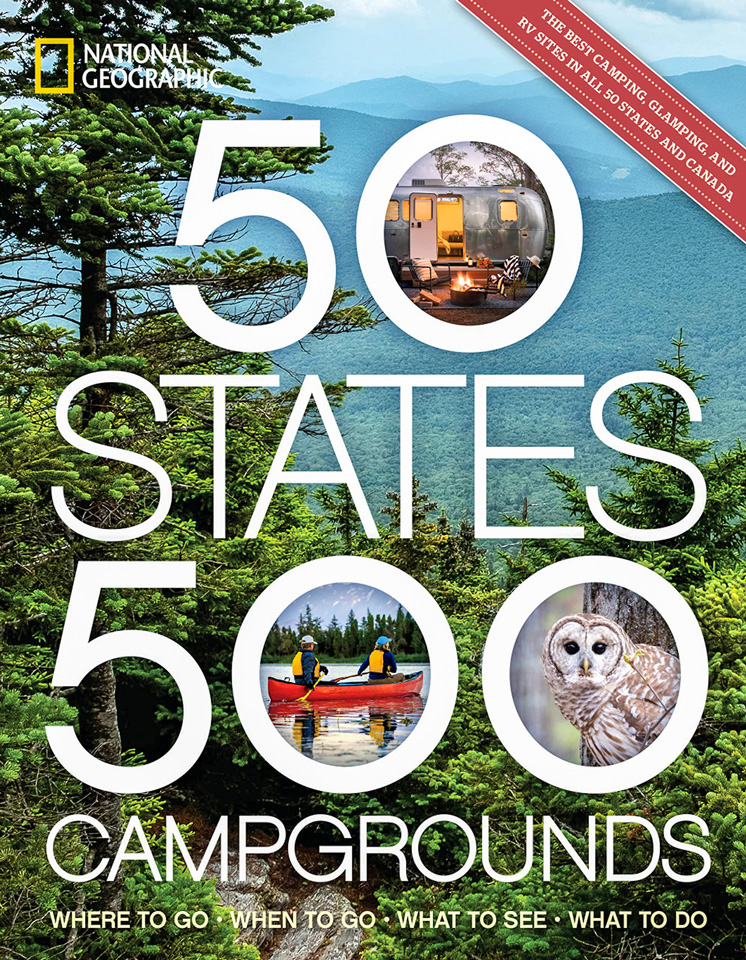 Joe Yogerst’s 50 States, 500 Campgrounds is a comprehensive guide written for adventurers seeking to explore North America’s best campgrounds. Despite its title, this book actually includes a total of 530 campgrounds (locations within the United States, Canada, Puerto Rico, and the U.S. Virgin Islands) with details about various amenities, types of camping available, rates, contact information, open seasons, and availability of ADA sites.
The beginning of the book covers responsible camping practices and ways to be more ecofriendly while residing in the great outdoors. The five tips listed encourage campers to be wary of how much plastic they bring in and out of campgrounds, to separate and sort trash and recycling, to leave no trace, to use biodegradable products when possible, and to simply follow campground rules. When all of these tips are taken into consideration, this ensures that campgrounds can stay clean and enjoyable.
Each state has 10 campground listings. Listings include a brief description of the site’s recreational activities, interesting facts and details pertaining to the individual campground, and whether it is close to any towns or tourist attractions. Not every campground is traditional, as many of the facilities included range anywhere from rugged boondocking to luxury “glamping.” It’s not just tent and cabin camping, either. This book includes RV resorts, yurts, treehouses, Tolkien-esque Hobbit houses, and even geo domes.
With hundreds of campgrounds, readers can discover hundreds of activities and sights to see. Hunt for diamonds at Crater of Diamonds State Park in Arkansas; visit nearby Disneyland or Knotts Berry Farm while staying at Orangeland RV Park in Orange, California; or check out Georgia’s oldest and tallest lighthouse at River’s End Campground & RV Park on Tybee Island.
Joe Yogerst has spent three decades as an editor, writer, and photographer in Asia, Africa, Europe, and North America. He has written for 34 different National Geographic books and is also the host of a National Geographic/Great Courses video series on America’s state parks.
50 States, 500 Campgrounds (National Geographic, $29.99) is available in bookstores and at online bookseller sites.