
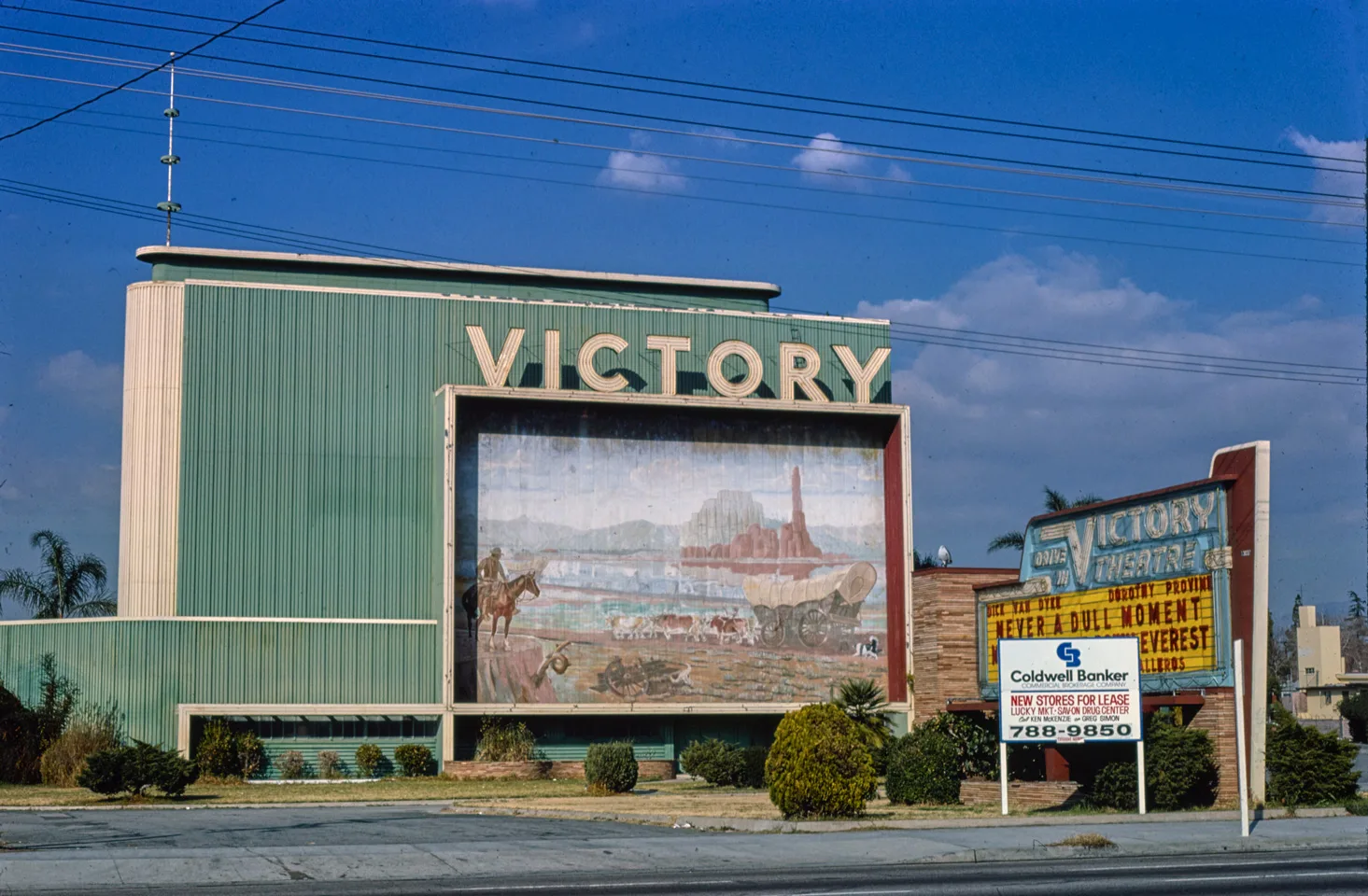
Drive-Ins
Movies Under The Stars
Today’s campground movie nights and outdoor film festivals may owe their existence to the traditional drive-in movie theater. In June 1933, Richard Hollingshead, a movie fan, opened the first drive-in theater in Camden, New Jersey. He reportedly was inspired by his mother, who struggled with seats in traditional movie theaters. Viewing Hollywood films from the comfort of one’s vehicle . . . what a concept!
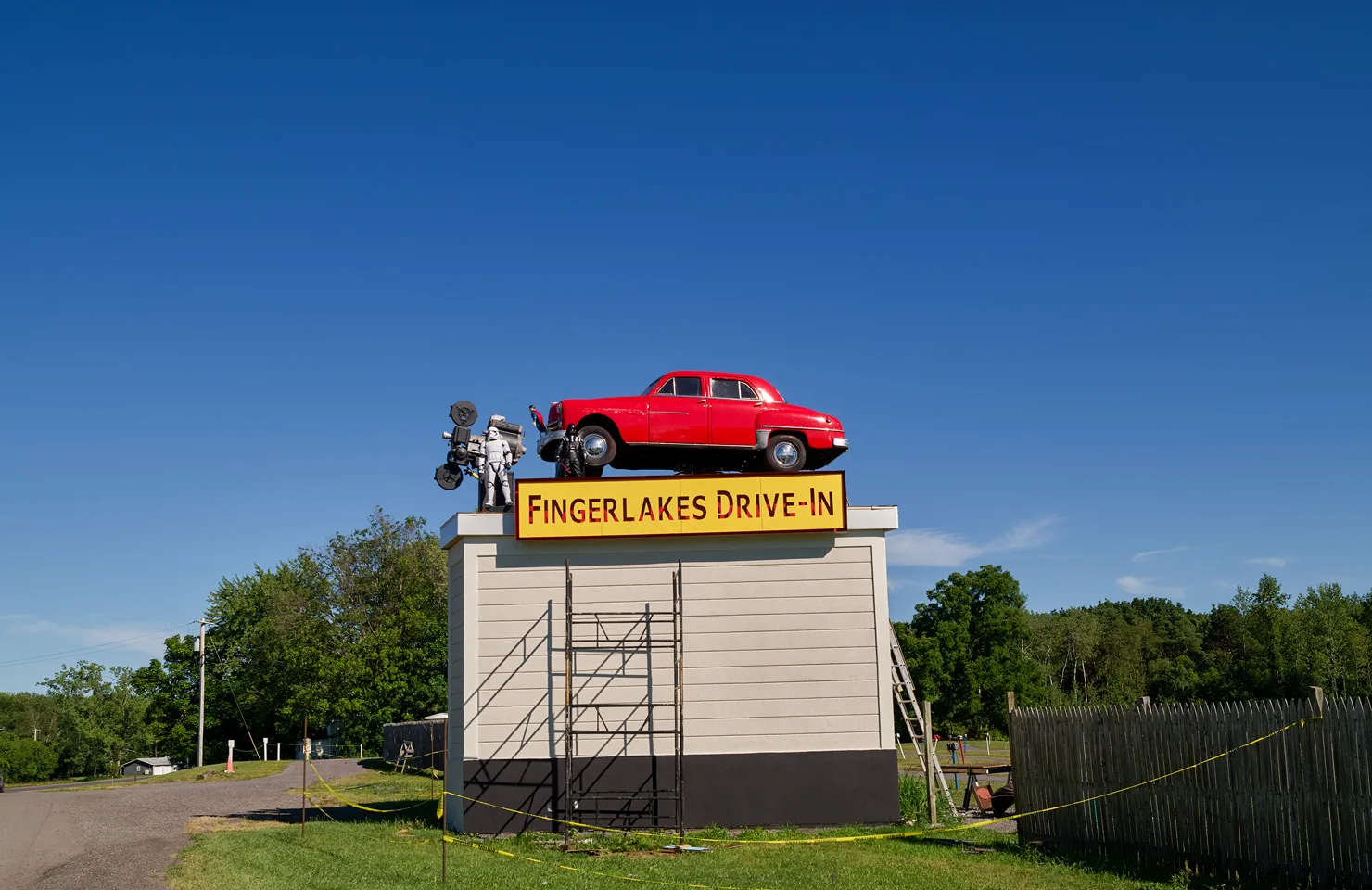
A number of drive-in theaters remain in operation, including the Fingerlakes Drive-In in Auburn, New York, which opened in 1947 and ranks as the state’s oldest.
The drive-in movie experience caught on with families and dating couples, particularly after World War II. The number of outdoor theaters peaked around1948 to 1954 — as many as 4,000 to 5,000, depending on whom you ask. Cartoons and newsreels often were part of the show — sometimes, live performances, too. Sound quality evolved over the years, beginning with large speakers mounted near the screen in Hollingshead’s initial endeavor, to individual units provided for each vehicle, to FM radio transmissions that moviegoers tuned to on their car radios.
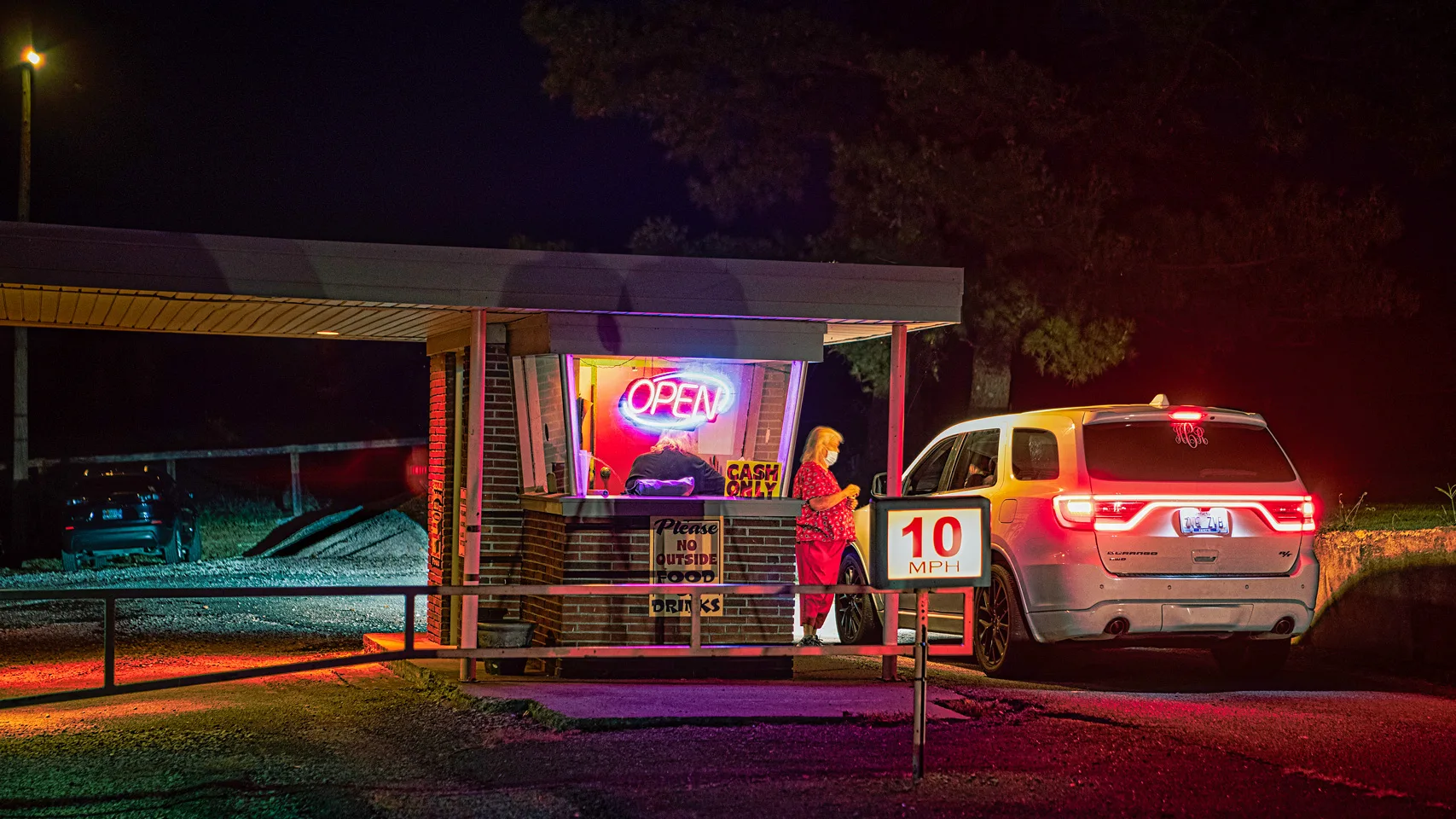
The Bourbon Drive-In in Paris Kentucky, pictured here during the COVID-19 pandemic, was established in 1956.
Gradually, the drive-in theater lost its widespread appeal. Consumers grappled with rising prices and the 1970s oil crisis, causing many to opt for smaller vehicles, which weren’t as comfortable for movie viewing. Real estate also increased in value, spawning more lucrative uses for the acres of land needed to support a drive-in.
But wait! These cool outdoor theaters didn’t vanish entirely; eventually, they became a nostalgic part of movie culture. The COVID-19 pandemic also contributed to a small resurgence. Nowadays, more than 300 drive-in movie theaters still operate across the United States, with 40-plus in Canada.
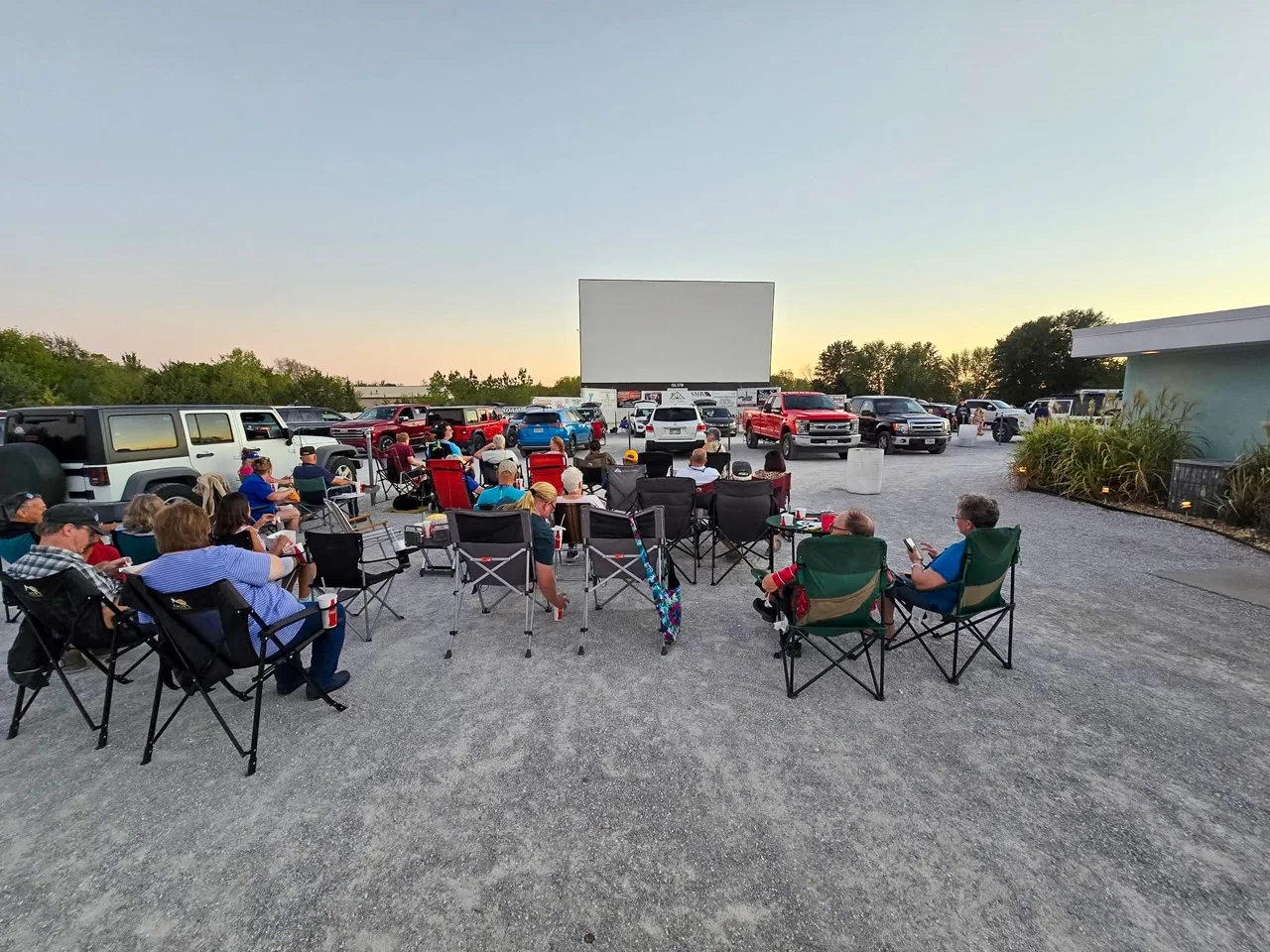
Travelers participating in Fantasy RV’s 2024 “Route 66” caravan watched a movie at the 66 Drive-In Theatre in Carthage, Missouri.
One of those giant screens still welcomes film fans at the 66 Drive-In Theatre in Carthage, Missouri, as depicted on the cover of this issue. During a recent Fantasy RV Tours “Route 66” caravan, participants stopped for photos and stayed for a showing of The Wild Robot movie.
If you’d like to relive the drive-in theater experience — or try it for the first time — visit driveinmovie.com for a list of locations.
Whimsy
Rubber Duckie, You’re So Fine . . .
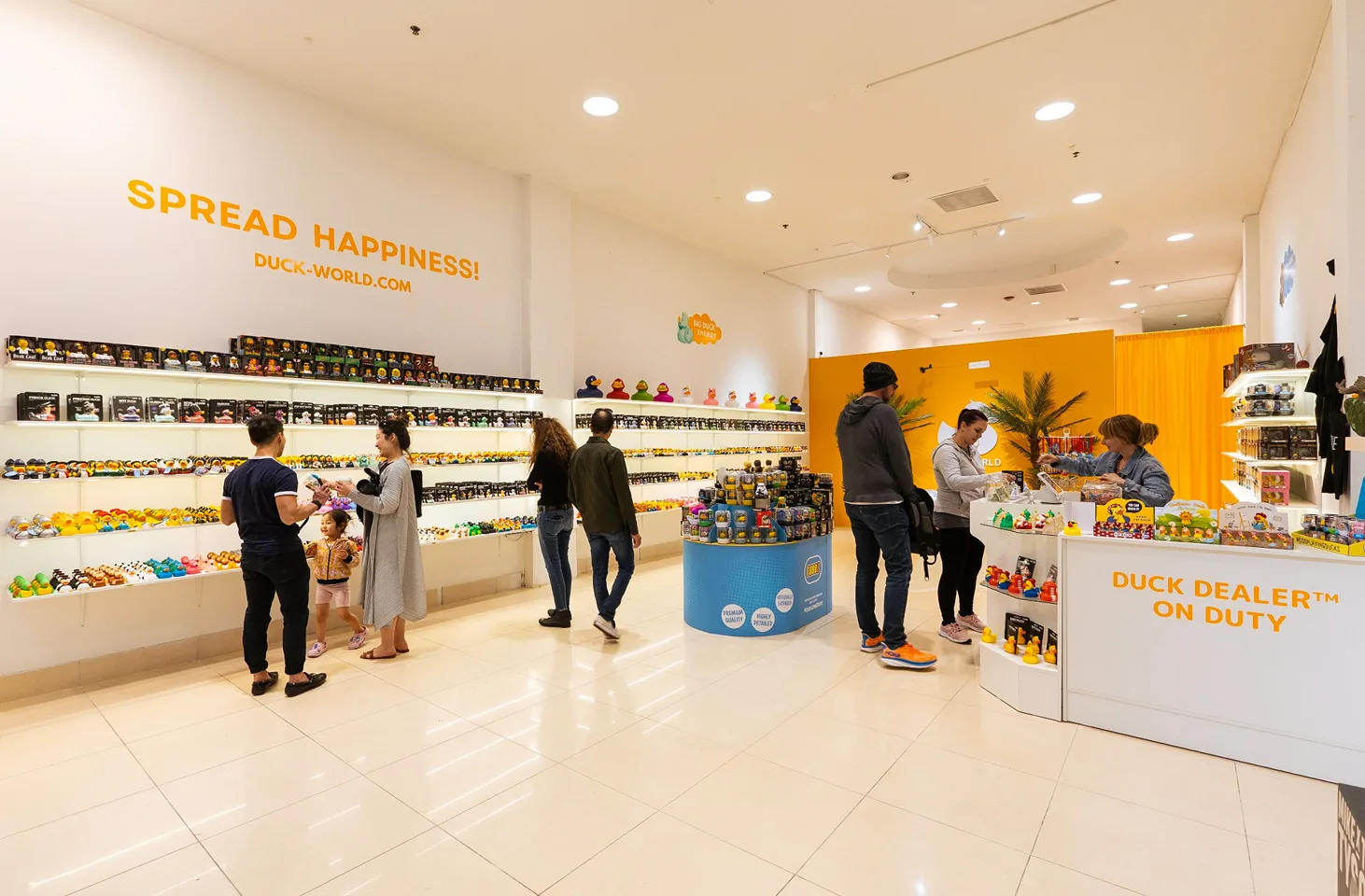
Duck World has made a splash with its first U.S. store, which opened in Miami Beach, Florida, in late 2024 and features more than 800 designs of rubber ducks.
Designer rubber ducks? Yep. In fact, if you find yourself in Miami Beach, Florida, dive into Duck World, a new store that features a flock of these lovable figures. Billed as the largest rubber duck store in the United States, it’s also the retailer’s first U.S. location.
The Miami Beach store is set up with art-gallery-like displays, interactive games, and photo ops for those Instagrammable moments.
More than 800 duck designs nest at the Miami Beach store. They include themed fowl based on popular culture, special occasions, sports and hobbies, professions, “ugly ducks,” and more. Check out some names: Doctor Quack, Give Geese a Chance, Jumping Quack Splash, Pond Bombshell, Winston Churchbill . . .
Simple rubber ducks are available, too, of course.
With its quirky collectibles and themed models, Duck World shows how far the rubber bath toys have come since their inception in the late 19th century. The big splash came in 1970, when Ernie, a character on the “Sesame Street” children’s TV show, sang a happy tune called “Rubber Duckie.” That’s when the ducks migrated to the big pond of popularity.
Although Duck World illustrates how far the species has evolved, rubber ducks are still great for bath time.
Details
Duck World
1622 Washington Ave.
Miami Beach, FL 33139
duck-world.com
Museum
Celebrating Motorsports History
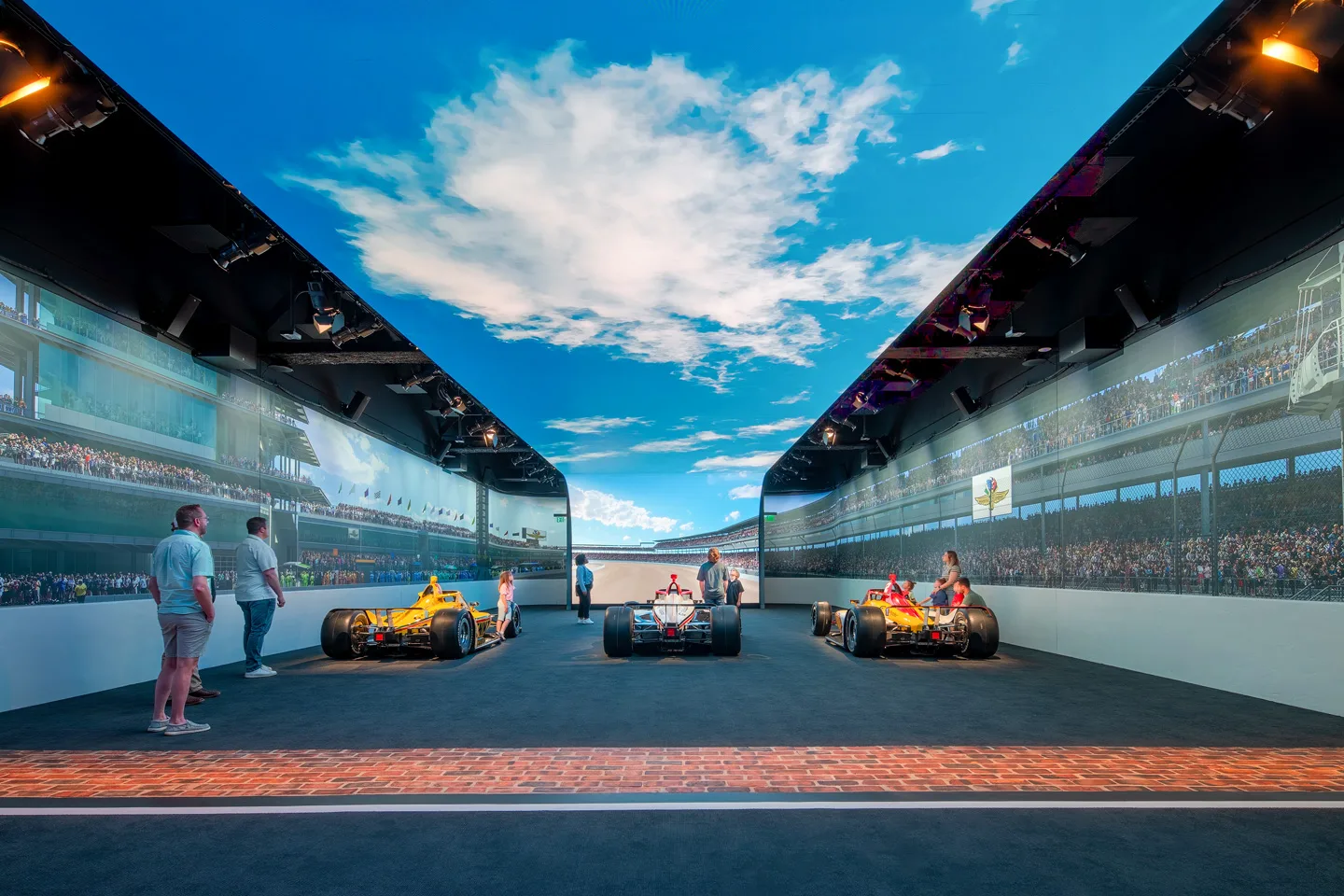
The newly reopened Indianapolis Motor Speedway Museum offers a wide variety of activities and exhibits that celebrate the field of motorsports. These include the Starting Line Experience, which simulates the excitement felt prior to the start of an Indy 500 race via sound and video.
Feeling the need for speed? Ladies and gentlemen, start your engines and race on over to the Indianapolis Motor Speedway Museum in Indiana. This nonprofit organization — located inside the famed 2.5-mile Indianapolis Motor Speedway oval — preserves and celebrates the history of motorsports, as well as the stories of the speedway and the Indianapolis 500 race. Now is a great time to visit, because the facility just reopened to the public in April after a 17-month, $60.5 million renovation project, the first major trans-formation in 40 years.
The Indianapolis Motor Speedway, constructed in 1909, is one of the oldest and most revered motorsports facilities in the world. The museum officially opened in 1956 but has roots dating back to 1945 when Anton Hulman Jr. purchased the speedway after World War II. He worked with the museum’s first curator, Karl Kizer, along with three-time Indy 500 winner Wilbur Shaw to save the speedway and revive the race. At the start, the museum had 12 cars on display, including Shaw’s race-winning Maserati. Today, the facility houses more than 300 vehicles and 55,000-plus artifacts.
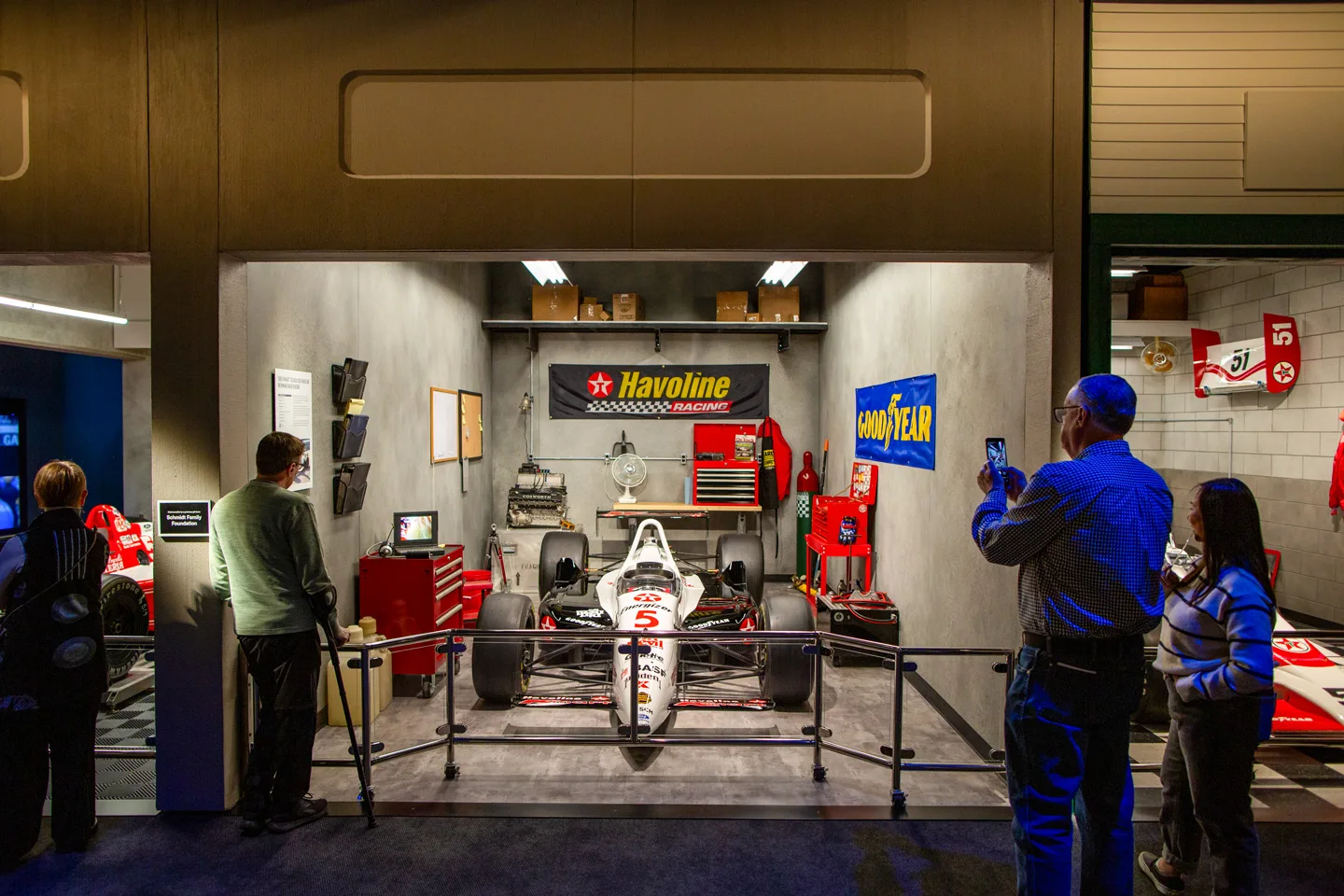
The museum’s Gasoline Alley Gallery occupies seven garages and focuses on multiple eras of speedway history.
The renovation added 40,000 square feet of display space, including new immersive and dynamic experiences. This includes seven permanent and three rotating exhibits. In the Qualifying Zone, visitors can test their skills with activities such as pit-stop challenges, driving simulators, and strategy games. In the Gasoline Alley Gallery, seven garages represent different speedway eras, highlighting stories of the time via cars, décor, and immersive audiovisual experiences. Feel like you’re part of the action, thanks to the Starting Line Experience, which includes a 7-minute film on an 80-foot screen. The Winners Gallery houses iconic cars, including a 1911 Marmon Wasp, which was the first car to win the Indy 500; exhibits are available on two levels, with 29 winning cars on display.
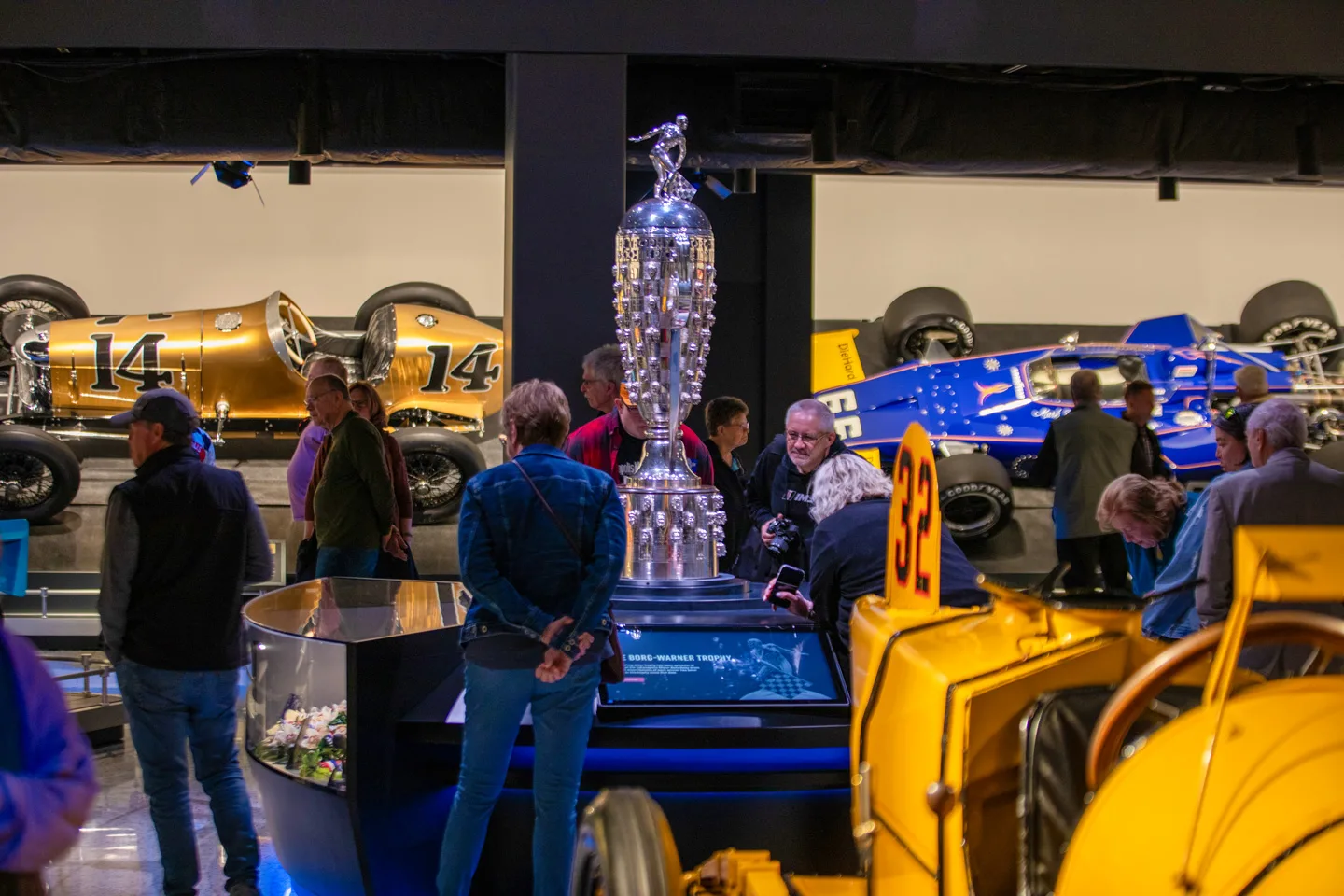
In the Winners Gallery, the Borg-Warner Trophy, which is presented to each Indianapolis 500 winner, takes center stage amidst such renowned cars as a 1911 Marmon Wasp and Dan Wheldon’s 2011 Dallara.
This just scratches the surface of all there is to see and experience at the Indianapolis Motor Speedway Museum. People of all ages enjoy exploring more than a century of motorsports history through hands-on and other exhibits and activities.
Planning your visit. The museum is open from 9:00 a.m. to 5:00 p.m. daily (closed on Thanksgiving and Christmas day); hours may vary because of events. A general admission ticket provides access to all areas in the museum, including the interactive Qualifying Zone. Tickets cost $25 for adults, $18 for children 6-16, $23 for seniors 55-plus; children 5 and under admitted free. Ticket reservations are recommended to ensure your spot. Behind-the-scenes track tours also can be added to your museum ticket. Track tours cost an additional $15 for adults, $8 for children 6-16, and $12 for seniors. Parking is available in front of the museum, accessible via the Gate 2 entrance.
Details
Indianapolis Motor Speedway Museum
imsmuseum.org | (463) 224-2680