
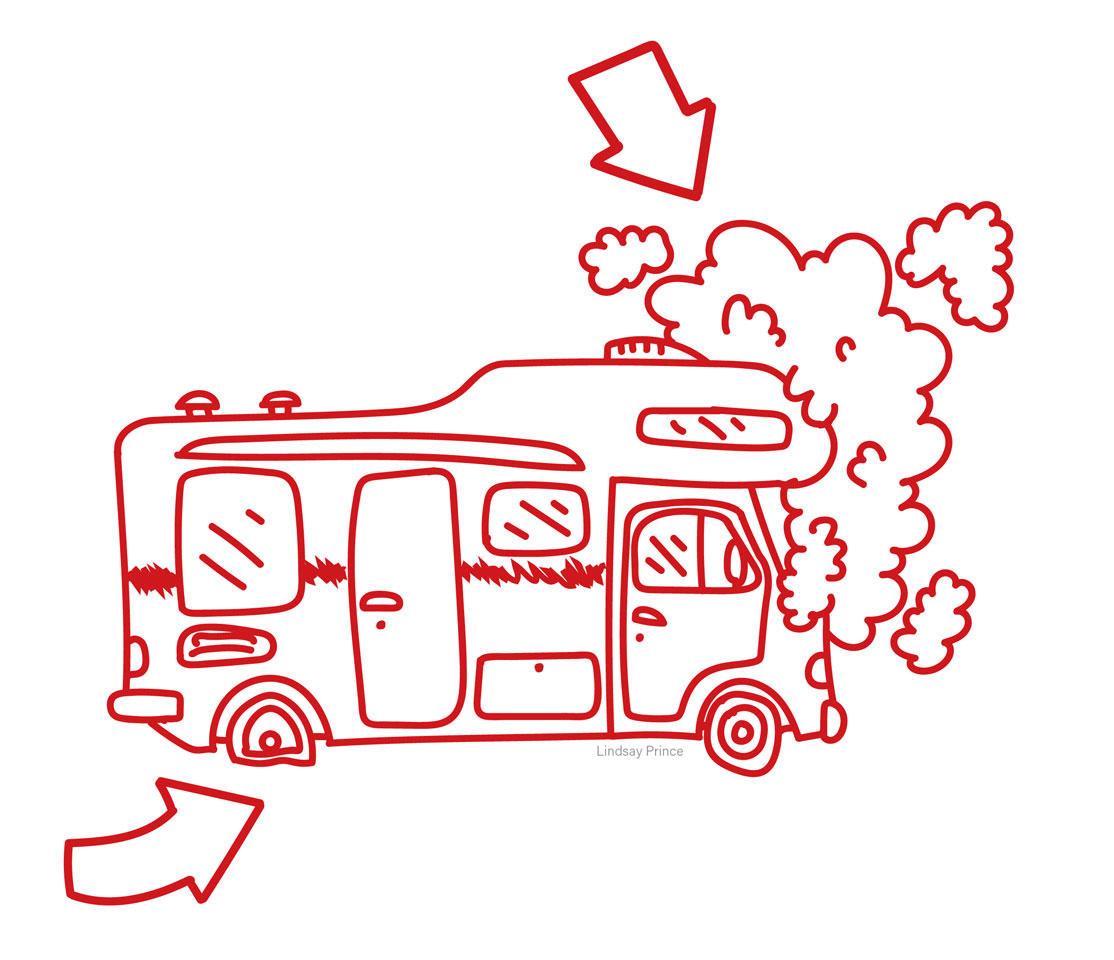
Minimize trip disruptions by packing safety gear, maintenance supplies, and tools.
By Mark Quasius, F333630
July 2020
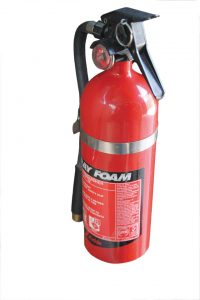
Fire extinguishers, adequately sized and placed in strategic locations, are crucial.
“Be prepared” is the old Boy Scout motto, and it applies to RV travel, too. Not only should RVers take preventive safety
measures, they also must be ready should breakdowns, mishaps, and accidents occur. So, let this quick overview serve as a reminder to pack the appropriate gear and supplies, and to equip yourself with the knowledge needed to handle the unexpected.
Safety is vitally important. Every RV is equipped with a fire extinguisher, but it may not be adequate to handle an onboard blaze. And, an extinguisher is useless if a fire prevents you from getting to it. Therefore, it’s wise to have multiple extinguishers in different locations. Extinguishers are available in various sizes and classifications. Whichever you choose, be sure they are capable of performing. Inspect them annually. Every six months a dry-chemical extinguisher should be turned upside down and the base whacked with a rubber mallet to ensure that the powder can be expelled.

Equip the RV with alarms that detect smoke, carbon monoxide, and propane.
Smoke alarms, as well as carbon monoxide and propane alarms, also are critical safety items that should be tested regularly. If devices are battery-powered, replace the batteries at least annually. For more information about fire extinguishers and detectors, see “RV Fire Safety” (May 2019, page 36).
When driving, RVers may experience a mechanical failure that requires pulling off to the side of the road. With traffic whizzing by, this can be dangerous. Roadside emergency kits help warn other drivers of your predicament. The kits, which may include reflective safety triangles, red flags, road flares, or strobe lights, are a wise investment. Inspect these items annually, especially if you have battery-powered strobe lights. Also, having appropriately sized wheel chocks for each of your vehicles will help ensure they don’t roll away, especially if you’re parked on a hill.
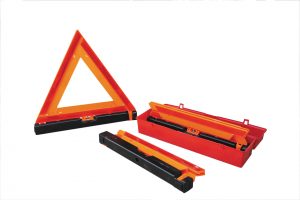
Every RV should carry weighted reflective safety triangles.
RVers can make a number of smaller repairs if the right equipment is on board. Along with basic hand tools, suggested supplies include duct tape, adhesives, spare fuses, and a few fasteners. It’s also a good idea to carry some blocks to assist the jacks in raising the RV if you need to change a tire. For a complete list of useful RV tools to carry, see “Road Trip Tools” (April 2019, page 32).
When you’re traveling, you should bring along the RV-specific or heavy-duty supplies that may not be available locally. You may need engine coolant, oil, or automatic transmission fluid, so it’s important to have the brand and specifications your RV calls for. Carrying a set of spare belts for the engine will eliminate waiting for a hard-to-find belt to be shipped, allowing the repair (whether DIY or by a road service tech) to proceed quickly. If you have an Aqua-Hot or Oasis hydronic heating system, carry some boiler antifreeze so that you can top off the reservoir as needed. It’s also a good idea to have spare windshield wiper blades, especially if you own a Type A motorhome.
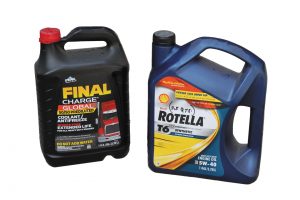
If you might have trouble finding the right engine oil and coolant during a trip, bring them along.
Diesel engines are susceptible to dirt or water in the fuel, which can plug up fuel filters. If you encounter this, a spare set of fuel filters will allow you to get under way again. Be sure, too, to carry the correct size filter wrench. Also, read your engine owners manual to be familiar with the procedure for bleeding air out of the fuel system.
Smaller RVs can carry spare tires, but diesel pushers typically do not, because of the size and weight of a mounted spare. If you carry a spare, be sure to check its inflation pressure prior to leaving.
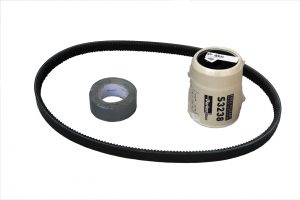
Pack a spare fan belt, fuel filter, and a roll of duct tape.
A good road service plan also is important. FMCA’s Roadside Rescue®, powered by SafeRide RV Motor Club, is available to members at a group rate. Such programs can be a real lifesaver when you need assistance. They save you money by providing towing, fuel delivery, lockout services, tire changing, and other technical assistance. I’ve used roadside assistance twice in more than 17 years of RV travel. Once was for a blown tire; the other call spared me the expense of a $1,600 tow. Know your tire size so that you can relay that information to the road service folks.

Battery-powered strobe lights are safer than road flares.
Packing the appropriate safety gear, tools, and supplies is only part of being prepared. You should also educate yourself about how to respond to issues that may arise. For example, Michelin’s website includes a video (https://bit.ly/2HJNTUJ) that explains how to handle an RV tire blowout. You might be surprised at the proper response. I recommend viewing the video multiple times until it becomes second nature should you ever need to use such tactics.
FMCA conventions also are excellent sources of information. Seminars cover a wide range of topics that help inform RV rookies as well as more experienced travelers. In addition, the FMCA Forums (community.fmca.com), as well as other RV-specific online forums, allow RVers to share information and experiences. You’ll find that many RV owners are willing to help prepare you for anything to come.