
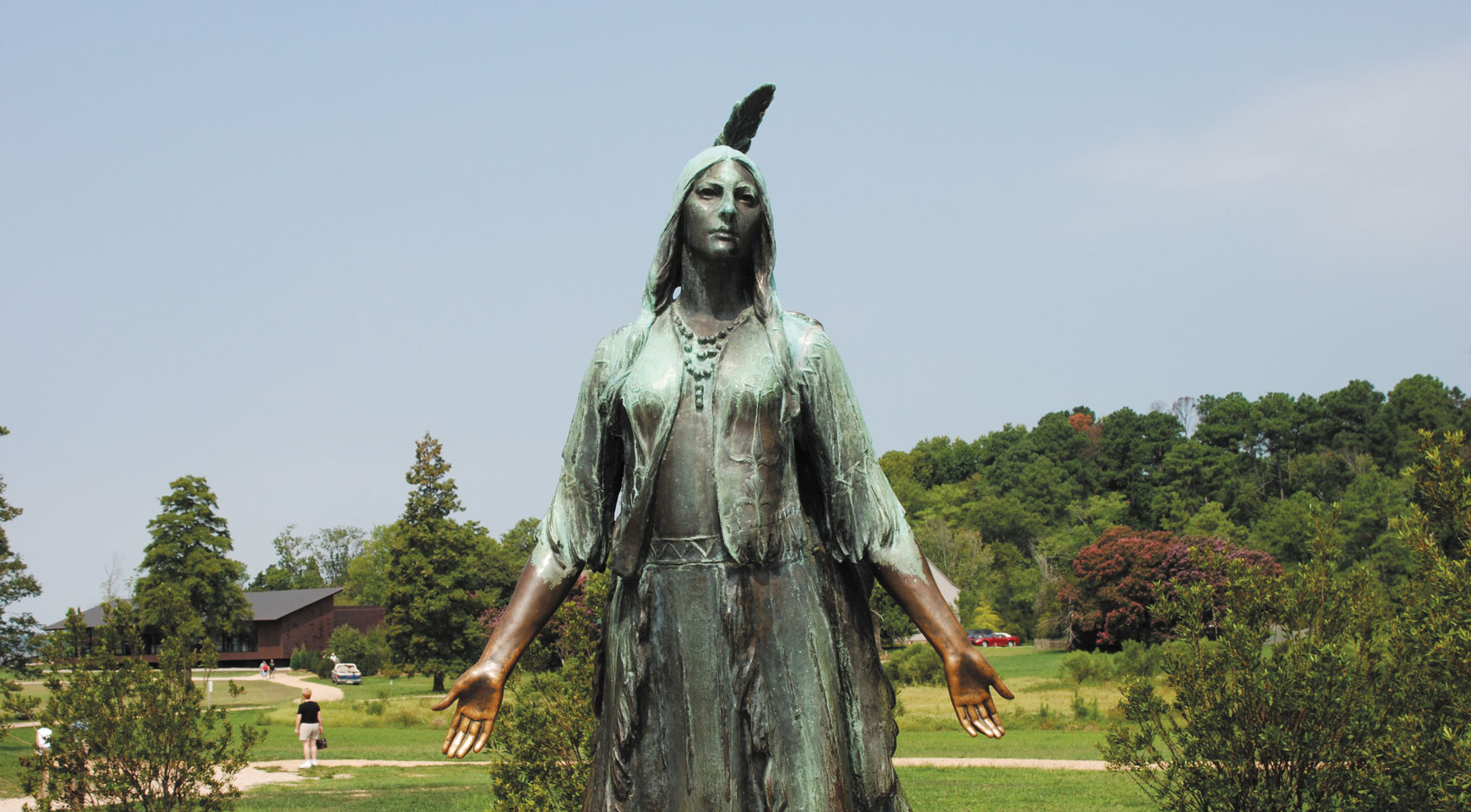
Battlefields, sand dunes, and natural prairie land are highlighted at these preserves.
By Susie Wall
November 2018
Every year millions of Americans travel to the nation’s most popular national parks. But a dizzying array of lesser-known preserves and historical areas cover the United States. They showcase beauty, history, and wildlife as the national parks do, but they also provide room to move, the opportunity to learn something new, and a chance to bring back tales that many friends have not heard.
Most national park sites are open year-round except for major holidays, and have an admission fee. If you plan to visit several national parks and monuments over the course of a year, a National Parks and Federal Recreational Lands Annual Pass, currently priced at $80, will be worth it. People 62 and older can buy a one-year pass for $20, or pay a one-time fee of $80 for a lifetime senior pass. For details, see www.nps.gov/planyourvisit/passes.htm.
The following four parks deserve to be listed among some of the more impressive places. You’ll no doubt agree once you visit them.
Colonial National Historical Park, Yorktown, Virginia
This park includes two main sites, plus a scenic road that connects them. It gives visitors the opportunity to explore Jamestown, the first permanent English settlement in North America, and Yorktown, where Americans won the final battle of the Revolutionary War.
Follow this timeline of U.S. history, starting at Historic Jamestowne. As you stand next to the statue of Capt. John Smith overlooking the calm waters of the James River, it is hard not to be moved as you reflect on the incredible physical and emotional strength it took for these settlers to bring forth a successful colony in 1607. Take a living history tour led by a costumed park interpreter and watch glassblowers re-create the green glass used at the settlement. Be sure to stop at the Voorhees Archaearium, a fascinating archaeological museum that houses more than 4,000 artifacts.
The 23-mile, scenic Colonial Parkway connects Jamestown to Yorktown. Before you decide to drive it in an RV, check the road’s height restrictions. The lowest bridge clearance is 12.5 feet. The park’s website (www.nps.gov/colo) has more details; or, call (757) 898-2427. The beautiful parkway connects Jamestown to Williamsburg as well as Yorktown. Along the way, you can also stop at Green Spring, a Colonial plantation, and the Cape Henry Memorial, the first landing site of the Jamestown settlers.
The Yorktown Battlefield Visitor Center offers a brief video depicting the siege at Yorktown. A museum there houses incredible artifacts, such as George Washington’s campaign tents, and a broken gunstock thrown down by a frustrated Redcoat.
Plug your ears for the artillery teams’ firing demonstrations on Saturdays and Sundays. Sometimes, stirring fife and drum performances are scheduled as well. Check the park’s website for exact dates and times of these and other demonstrations.
Two self-guided driving tour routes are offered. The 7-mile Battlefield Auto Tour travels past the Moore House, where the surrender terms were negotiated. The 9-mile Allied Encampment Tour passes George Washington’s headquarters.
Ranger-led tours and talks are a must at Jamestown and at Yorktown to learn the significance of what occurred at these sites. You can walk the siege line at Yorktown and hear about the most recent archaeological discoveries at Jamestown. Tours are held daily as weather and staffing permit. For more information, visit www.nps.gov/colo; (757) 898-3400. An entrance fee is charged, and national parks passes are honored.
Little Bighorn Battlefield National Monument, Crow Agency, Montana
On June 25, 1876, soldiers of the 7th Regiment of the U.S. Cavalry led by Lt. Col. George Armstrong Custer launched an attack. Their foes were Lakota Sioux, Northern Cheyenne, and Arapaho warriors, led by Sitting Bull and Crazy Horse, among many others. The ensuing battle near the Little Bighorn River lasted two days, left more than 260 soldiers dead, and marked the Indians’ last major victory in defense of their way of life.
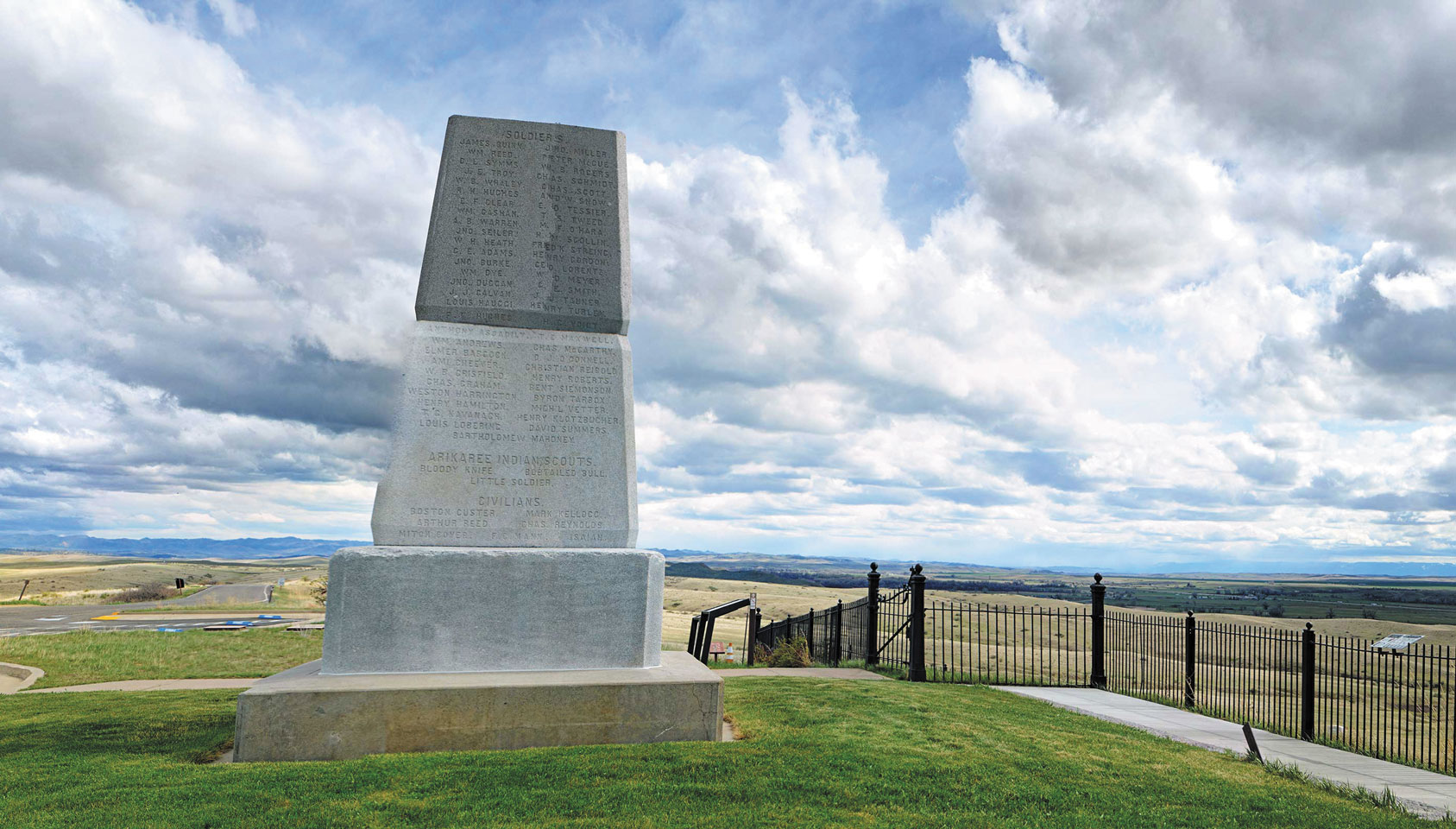
A memorial to the 7th U.S. Cavalry is engraved with soldiers’ names, and rests atop Last Stand Hill at Little Bighorn Battlefield National Monument.
Little Bighorn Battlefield National Monument is 60 miles east of Billings, Montana. It spreads across lush, native grassland and fields of sagebrush. The stark realities of war are most evident as you stand atop one of the many bluffs along Battlefield Road and survey the granite markers scattered across the landscape, indicating the spots where soldiers and Indians fell during battle.
Start your education at the visitors center museum, which displays historic photos, battlefield implements, uniforms, and Indian attire. Last Stand Hill rises above the museum, marking where Custer and many of his men fell. A granite memorial sits atop the burial spot of 220 soldiers, scouts, and civilians.
A 4.5-mile drive along a tour road helps riders to visualize the incredibly complex conflict. An audio tour is available via your cell phone; or, you can read about each stop on the map provided at the visitors center. The battlefield also hosts the Custer National Cemetery, the last resting place of veterans of many wars and the families of soldiers who once lived at isolated frontier posts.
The American Indian perspective on this battle has only recently been recognized. They call it the Battle of the Greasy Grass, which is their name for the Little Bighorn River. The Crow Tribe offers one-hour guided tours of the park through Apsaalooke Tours. For information, call (406) 679-0023 or (406) 679-2391.
For more details about Little Bighorn Battlefield National Monument, visit www.nps.gov/libi or call (406) 638-2621. An entrance fee is charged and national parks passes are honored.
Tallgrass Prairie National Preserve, Strong City, Kansas
Millions of acres of the tallgrass prairie ecosystem once blanketed North America. Today less than 4 percent of it remains. Less than 30 minutes west of Emporia, in the heart of Kansas’ rocky Flint Hills, is the Tallgrass Prairie National Preserve. A visit here allows you to stand among the sea of grass and let the sounds of the prairie wash over you, from the low bellow of a bison to the lyrical call of a song sparrow. A light breeze delivers the scent of a coming rainstorm.
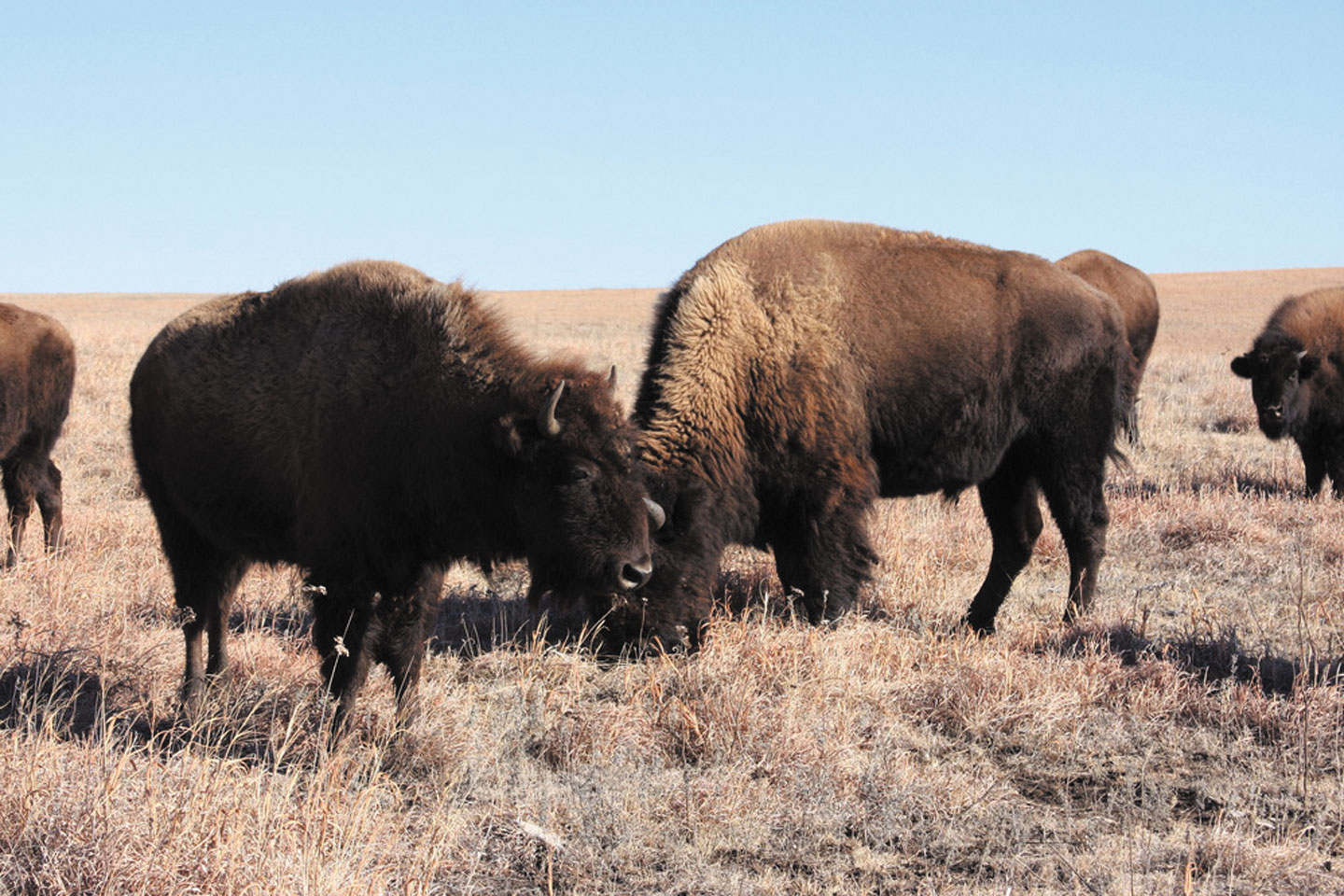
Efforts have been made to increase the population of bison at Tallgrass Prairie National Preserve; currently, approximately 80 of them roam the grounds.
Views are dramatically different here, depending on the season. In the spring before the grass grows high, the terrain is better revealed. Arrive in summer to see the waves of grass blowing in the breeze. As for autumn, the motto here is “tall in the fall,” and from the end of September to early October, the grass reaches its maximum height — more than 6 feet, depending on the variety.
A visitors center features exhibits and a 10-minute video, as well as brochures and a trail map. Ranger-led bus tours are offered daily from the last Saturday in April to the last Sunday in October. Tours last 60 to 90 minutes and educate visitors about the history of the preserve and its flora and fauna. If you miss the tour or prefer to stop at your leisure, you also can take the scenic drive following the 37-mile Flint Hills National Scenic Byway. A cell phone tour is available to explain the different sites. Take in 360-degree views of the rolling hills, sea of grasses, and roaming bison herds.
The secret to the tallgrass survival before the plow arrived was its life below ground. Huge, long root systems kept the plants from dying out, even after storm-sparked fires or below-zero winters. That same sod was cut up and used by pioneers to build homes and towns.
The preserve provides refuge to 500 species of plants; 150 species of birds; and dozens of amphibians, reptiles, and mammals, which makes it easy to immerse yourself in the beauty and peace of the natural world. Three nature trails are offered, from the 1.75-mile Southwind Trail to the 6-mile Fox Creek Trail. Keep in mind that the bison are free-roaming, so be sure to admire them from afar.
The historic ranch buildings here include the 1881 Spring Hill Ranch house and a three-story limestone barn; tours of the buildings are self-guided and not included on the bus tour. For more info, see www.nps.gov/tapr, or call (620) 273-8494. Admission, tours, and programs are free.
White Sands National Monument, Holloman Air Force Base, New Mexico
A breathtaking expanse of sparkling crystal unfolds before your eyes as you explore the world’s largest gypsum dune field at White Sands National Monument. Travel 19 miles southwest of Alamogordo, New Mexico, to stick your toes into the undulating hills of pure white sand. Each visit offers a chance to see something new, as the wind can shift these dunes before your eyes.
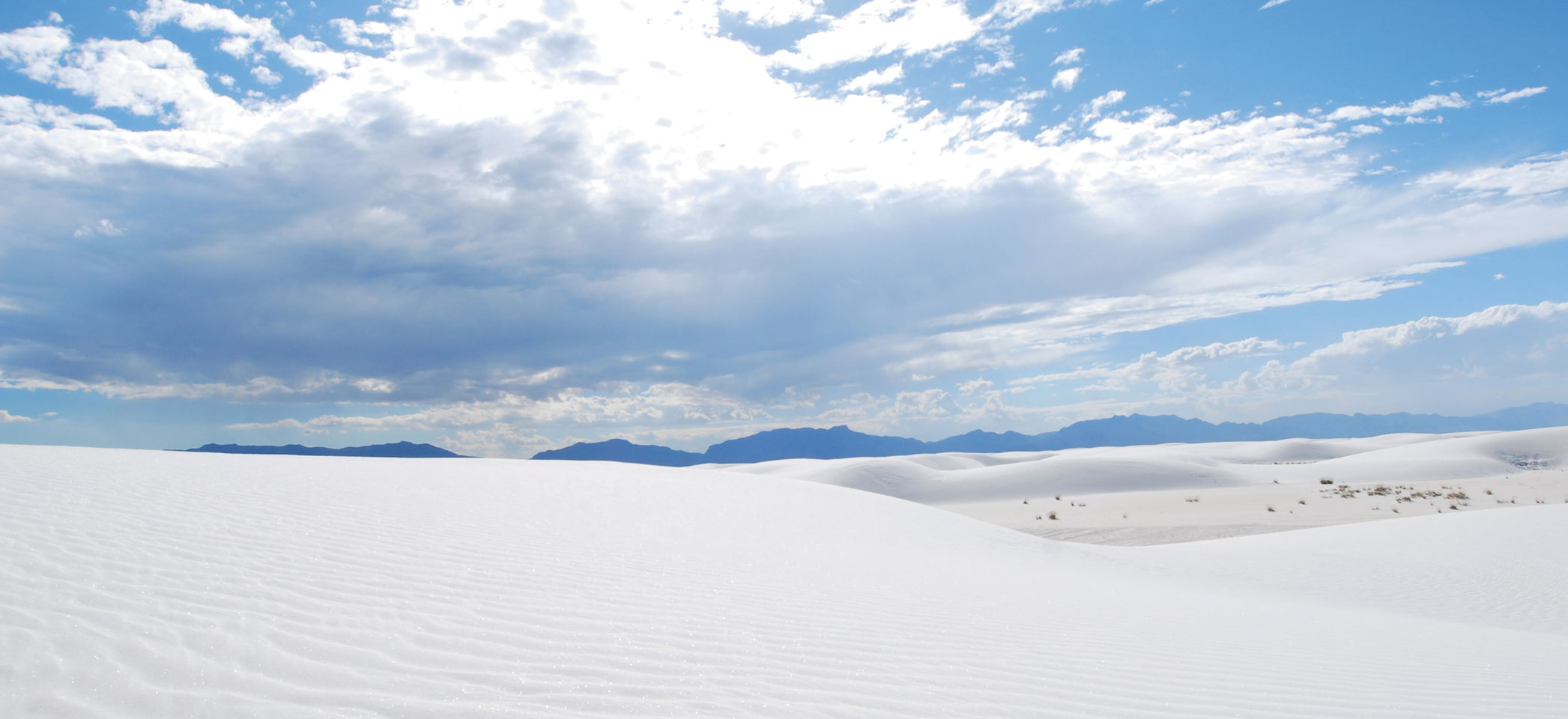
White Sands National Monument’s barren beauty inspires photographers and wildlife-watchers alike.
If all of this reminds you of a beach, it’s because long ago, much of the American Southwest was covered by a sea. It left gypsum and other minerals, which became fine sand. There are multiple ways to travel around this natural wonder, but be sure to stop at the visitors center for information on road and weather conditions. Also be aware that the monument can be closed for missile testing.
The 8-mile Dunes Drive, a loop road, travels from the visitors center past trailheads and picnic areas. The first 4 miles are paved and the last 4 miles are hard-packed gypsum sand, but still suitable for a recreation vehicle. You also can ride a bicycle on the road; a mountain bike with wide tires is recommended.
The child with you, or the child within you, can experience the pure joy of sledding down the dunes. But only if you have the right kind of equipment. Typical snow sleds, skis, or snowboards don’t move a bit unless the sand is wet or snowy, which isn’t often. To be sure you have the right kind of sled, rent one from retailers in the area (the national park does not rent sand boards or sand sleds). The Oasis Store just outside the park entrance rents them from April through October (www.greatdunes.com); other rental places are Sand Dunes Swimming Pool and Recreation (www.sanddunespool.com/grille) and Kristi Mountain Sports (www.slvoutdoor.com).
Five hiking trails allow closer inspection of the dunes, from the casual 0.4-mile Interdune Boardwalk to 5 miles of strenuous climbing up, and sliding down, on the Alkali Flat Trail. Once a month, a ranger-led full moon hike enables visitors to see the dunes illuminated at night.
Aside from the dunes, the other star attractions of the monument are the plants and animals that have found a way to thrive in this harsh environment. They provide endless opportunities to practice your photography and wildlife-watching skills. Catch the morning light brightening the sand around the skirt of the soaptree yucca and follow the tracks of kit foxes, black-tailed jackrabbits, burrowing owls, and greater roadrunners along the snow-white dunes.
For more info, visit www.nps.gov/whsa; (575) 479-6124. Admission is charged and park passes are accepted.
Campgrounds Near The Parks
This is not a complete list, so please check your campground directory, search online, or visit FMCA.com’s RV Marketplace for more listings.
Colonial National Historical Park
Anvil Campground, Williamsburg, Virginia
www.anvilcampground.com
(757) 565-2300
Williamsburg/ Busch Gardens Area KOA, Williamsburg, Virginia
www.koa.com/campgrounds/williamsburg
(800) 562-1733
(757) 565-2907
Little Bighorn Battlefield National Monument
7th Ranch RV Park, Garryowen, Montana
www.historicwest.com
(406) 638-2438
Grandview Campground, Hardin, Montana
www.grandviewcamp.com
(406) 671-0121
Tallgrass Prairie National Preserve
Emporia RV Park, Emporia, Kansas
www.emporiarvpark.com
(620) 343-3422
Richey Cove Campground on Council Grove Lake, Council Grove, KS
www.recreation.gov (search “Richey Cove”)
(620) 767-5195
White Sands National Monument
Oliver Lee Memorial State Park, Alamogordo, NM
www.emnrd.state.nm.us/SPD/oliverleestatepark.html
Reserve America: (877) 664-7787
park: (575) 437-8284
Alamogordo/White Sands KOA, Alamogordo, New Mexico
www.koa.com/campgrounds/alamogordo
(800) 562-3452
(575) 437-3003